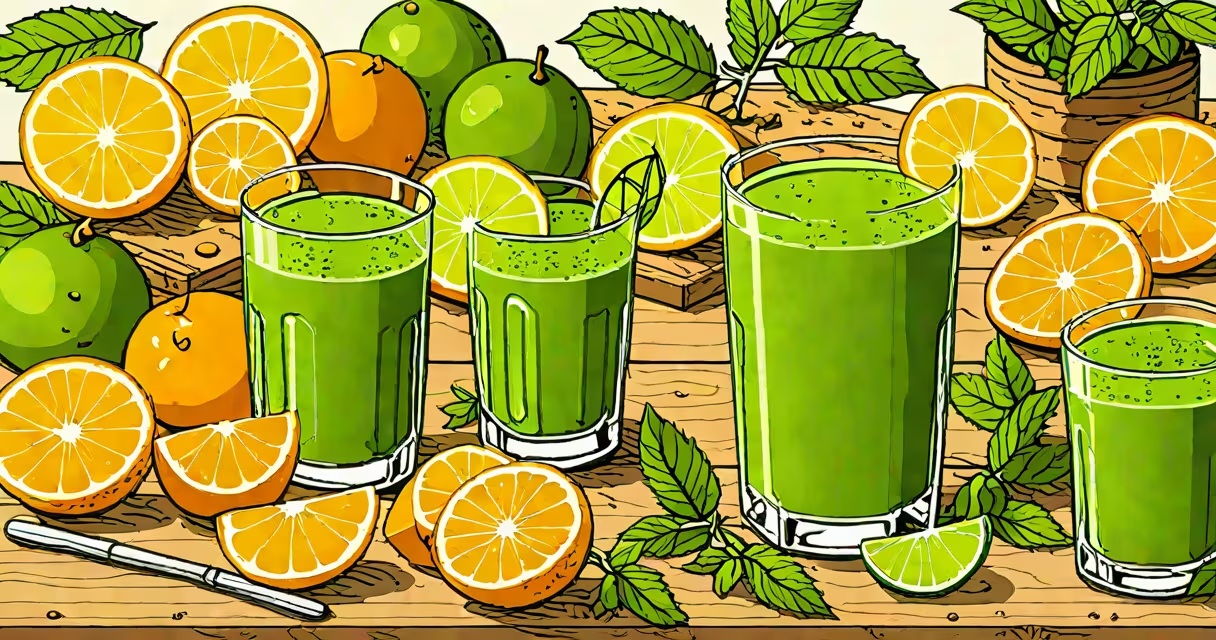
Juice fasting is a short-term dietary practice where individuals consume only freshly pressed fruit and vegetable juices for 1 to 7 days, eliminating solid food. The goal is to reduce digestive load, promote detoxification, and potentially reset metabolic function through nutrient-dense liquid intake.
During juice fasting, the body shifts from using glucose as its primary fuel to burning stored fat for energy. This metabolic switch occurs within 12-24 hours of carbohydrate restriction, similar to the early stages of prolonged fasting. The absence of solid food reduces gut activity, allowing the digestive system to rest. This may lead to temporary improvements in digestion and reduced bloating.
Proponents claim juice fasting supports liver detoxification, though scientific evidence for this specific mechanism is limited. The high concentration of vitamins, antioxidants, and phytonutrients in fresh juices provides a surge of micronutrients, which may improve cellular function temporarily. However, these effects are not unique to juice fasting and can be achieved through balanced whole-food diets.
When solid food is removed, the body enters a state of mild caloric deficit. A typical 3-day juice fast provides 600-1,000 calories daily, mostly from fructose and glucose in fruits. This level of intake is below maintenance needs for most adults, leading to gradual fat breakdown and ketone production.
Studies show that fasting periods lasting 12-48 hours trigger autophagy-the cellular cleanup process where damaged components are recycled. While animal research confirms this effect during prolonged fasting, human data remains inconclusive for short juice fasts. No peer-reviewed study demonstrates that juice fasting induces measurable autophagy beyond what occurs during regular overnight fasting.
A 2021 review in Frontiers in Nutrition found no significant clinical benefit from juice-based fasts compared to standard calorie-restricted diets. Participants reported increased energy initially due to high sugar intake, but levels dropped sharply after day 2 as blood glucose fluctuated. This suggests the perceived "energy boost" is likely a transient effect from rapid glucose absorption.
Most juice fasts follow one of three models: full juice fasts, partial juice fasts, and juice cleanse programs.
| Type | Duration | Permitted Foods | Typical Calorie Range |
|---|---|---|---|
| Full juice fast | 1-7 days | Only fresh juice; no water, tea, or supplements | 600-1,000 kcal/day |
| Partial juice fast | 3-5 days | Juices + small amounts of raw vegetables or herbal teas | 800-1,200 kcal/day |
| Commercial cleanse program | 3-10 days | Pre-packaged juices + supplements; often includes colon cleanses | 1,000-1,500 kcal/day |
Full juice fasts are rare in clinical settings due to nutritional deficiencies. A 2019 report from the Academy of Nutrition and Dietetics warned against extended juice-only regimens, citing risks of hypoglycemia, muscle loss, and electrolyte imbalance. Partial fasts offer more flexibility and are less likely to cause severe side effects.
Commercial programs like the "Master Cleanse" (lemonade, maple syrup, cayenne pepper) are popular but lack medical validation. These protocols often include ingredients that stimulate bowel movements, creating a false sense of detoxification. The laxative effect is not detoxification-it's gastrointestinal stimulation.
People adopt juice fasting for weight loss, mental clarity, and perceived detoxification. Many report feeling lighter or more focused during the fast, but these sensations are linked to reduced inflammation and improved insulin sensitivity-not a "cleansed" system.
A common misunderstanding is that juice fasting removes toxins. The human body detoxifies naturally via the liver, kidneys, and intestines. There is no scientific basis for the idea that fasting enhances toxin elimination beyond normal physiological processes. The liver processes alcohol, drugs, and metabolic waste continuously; it doesn't require a juice fast to "reset."
Another myth is that juicing preserves nutrients better than eating whole produce. In reality, blending or juicing removes fiber and can increase glycemic impact. A 2020 study in Journal of the Academy of Nutrition and Dietetics showed that whole apples have lower postprandial glucose spikes than apple juice, despite similar sugar content. Fiber slows glucose absorption-removing it increases insulin demand.
Consider a 35-year-old woman who begins a juice fast with 3 liters of mixed juice daily: 50% kale and cucumber, 30% green apple, 20% lemon and ginger. Her daily intake is ~850 kcal, 120g carbohydrates, 15g protein, 5g fat.
Day 1: She feels energized but experiences hunger pangs around noon. Blood glucose drops to 72 mg/dL (normal range: 70-100), then rebounds to 110 after her afternoon juice. This glucose rollercoaster is typical of high-sugar juice consumption.
Day 2: Energy dips. She reports dizziness and irritability. Her resting heart rate rises to 92 bpm (baseline: 70). These symptoms reflect cortisol elevation due to low-calorie intake and unstable blood sugar.
Day 3: She feels weak and struggles to stand. A blood test shows low potassium (3.1 mmol/L; normal: 3.5-5.0) and elevated creatinine (1.1 mg/dL; normal: 0.7-1.3). These indicate early signs of dehydration and kidney stress.
After the fast ends, she eats a meal of grilled chicken and rice. Within 30 minutes, her blood sugar spikes to 180 mg/dL-higher than her baseline. This rebound effect is common after rapid dietary shifts.
Do not attempt juice fasting if you have diabetes, eating disorders, or are pregnant. Individuals with Type 1 diabetes risk diabetic ketoacidosis (DKA) from uncontrolled ketone buildup. Even short fasts can trigger DKA in insulin-deficient people.
Stop immediately if you experience chest pain, severe dizziness, confusion, or irregular heartbeat. These are signs of electrolyte imbalance or cardiac strain. A 2022 case report in BMJ Case Reports described a 42-year-old man hospitalized with hypokalemia and arrhythmias after a 5-day juice fast.
If you seek the benefits of fasting-reduced inflammation, improved insulin sensitivity-consider time-restricted eating. A 16:8 protocol (16 hours of fasting, 8 hours of eating) offers similar metabolic advantages without extreme restriction. Research shows this method improves insulin sensitivity and lowers triglycerides over 12 weeks.
For detoxification, focus on whole foods: leafy greens, cruciferous vegetables, berries, nuts, and legumes. These provide fiber, antioxidants, and compounds that support liver enzymes. No supplement or fast is needed to activate natural detox pathways.
Juice fasting is not a health intervention. It's a short-term dietary experiment with minimal proven benefit and notable risks. If you're considering it, consult a registered dietitian or physician first. Your body doesn't need a juice cleanse-it needs consistent, balanced nutrition.