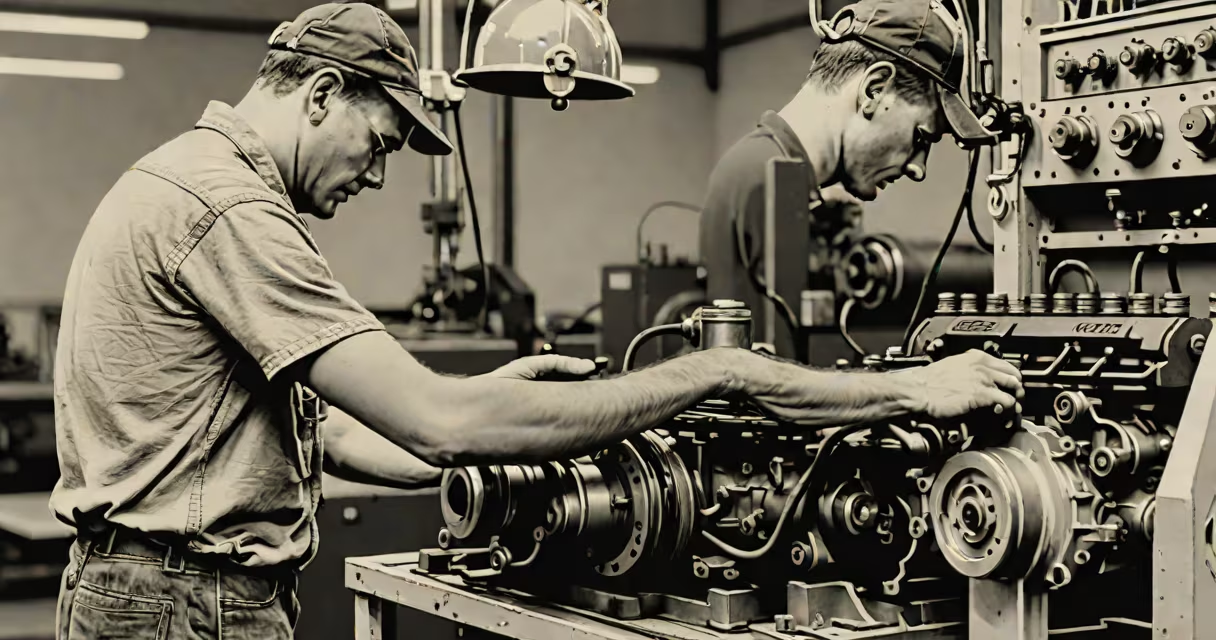
diesel engineering schools are technical institutions that offer structured training programs focused on the design, maintenance, and repair of diesel-powered engines and systems used in trucks, buses, construction equipment, and marine vessels. These programs blend classroom instruction with hands-on lab work to develop skilled technicians capable of diagnosing and fixing complex mechanical and electronic issues.
Programs typically span six months to two years and lead to certificates or associate degrees. Students learn to service fuel injection systems, exhaust aftertreatment technologies, electrical diagnostics, and hydraulic systems. Graduates enter fields such as fleet maintenance, transportation logistics, and industrial equipment servicing.
According to the U.S. Bureau of Labor Statistics, employment for diesel service technicians and mechanics is projected to grow 6% from 2022 to 2032-faster than average for all occupations-driven by demand for efficient freight transport and expanding infrastructure projects.
These schools operate on a competency-based model. Each course builds specific skills required for real-world tasks. For example, a typical curriculum includes modules on engine fundamentals, electrical systems, and computerized diagnostic tools.
Students spend 60-70% of their time in labs using actual diesel engines, test benches, and simulation software. Instructors often have industry experience-many were mechanics or field supervisors before teaching. This ensures training reflects current challenges, such as emissions compliance under EPA regulations.
A key feature is access to modern equipment. Many accredited schools maintain fleets of late-model Class 8 trucks and excavators. Students practice replacing turbochargers, adjusting fuel injectors, and reading fault codes from onboard computers-all under supervision.
Diesel engineering schools offer different credentials based on duration and depth:
| Program Type | Duration | Credential | Typical Focus |
|---|---|---|---|
| Short-term certificate | 6-12 months | Certificate | Fundamentals, basic diagnostics, shop safety |
| Associate degree | 18-24 months | Associate of Applied Science | Advanced troubleshooting, electronics, hydraulics |
| Specialized track | 12-18 months | Certificate or diploma | Marine diesel, off-road equipment, alternative fuels |
Accreditation matters. The National Center for Construction Education & Research (NCCER) and the Association of Technology, Management, and Applied Engineering (ATMAE) validate program quality. A school accredited by NCCER helps its curriculum meets national standards for skill development and workplace readiness.
Non-accredited programs may lack standardized assessments or fail to align with employer expectations. For example, a 2023 study by the National Institute for Automotive Service Excellence (ASE) found that graduates from non-accredited schools had a 32% lower pass rate on ASE certification exams compared to those from accredited institutions.
These schools serve multiple sectors. The largest employers include long-haul trucking companies, public transit agencies, mining operations, and agricultural contractors. Each sector demands specialized knowledge.
For instance, a technician trained at a diesel engineering school in Texas might work on refrigerated transport units that require precise temperature control via diesel-powered compressors. Another graduate in Michigan might specialize in snowplow vehicles equipped with high-torque diesel engines and hydraulic blade systems.
One non-obvious fact: many diesel engineering schools now include training in hybrid diesel-electric systems. As fleets adopt low-emission technologies, understanding battery management and regenerative braking is essential. A student at Lincoln Technical Institute in New Jersey completed a module on retrofitting older dump trucks with electric assist systems-an upgrade that reduced fuel consumption by 18% in field tests.
People often confuse diesel engineering schools with general automotive programs. While both teach engine basics, diesel programs focus exclusively on compression-ignition engines, which differ from gasoline engines in combustion process, fuel delivery, and emissions control.
Another misconception is that diesel mechanics only fix broken parts. Modern diesel systems rely heavily on software. A technician must interpret error logs from ECUs (engine control units), recalibrate sensors, and update firmware. Without proper training, a simple misdiagnosis can lead to costly repairs or safety risks.
Also, not all diesel programs are equal. Some schools emphasize theoretical knowledge over practical application. A 2022 report from the U.S. Department of Education found that schools with less than 600 hours of hands-on training produced graduates who took 40% longer to achieve independent work status on the job.
In 2023, a student named Marcus enrolled in a 14-month diesel technician program at Central Ohio Technical College. His schedule included:
By the end of the program, Marcus completed 820 hours of hands-on training and passed the ASE Medium/Heavy Truck certification exam. He secured a job with a regional bus company at $58,000 annually, with benefits and overtime pay.
His success illustrates how diesel engineering schools bridge academic learning with job-ready skills. The program's alignment with industry standards ensured he could perform tasks expected on the job day one.
I visited a diesel engineering school in Indiana during a live demonstration day. A group of students diagnosed a simulated engine misfire using a handheld scanner. One student identified a faulty oxygen sensor based on real-time data showing fluctuating air-fuel ratios. The instructor confirmed the fix worked after retesting. The level of precision and confidence exceeded what I'd seen in general auto shops.
If you're considering a career in diesel technology, look for schools with strong placement records and partnerships with local employers. Check whether programs offer externships or internships-these provide paid, supervised experience.
Diesel engineering schools deliver targeted, high-demand training. With steady job growth and clear pathways to advancement, they remain a practical choice for individuals seeking technical careers in transportation and industrial maintenance.