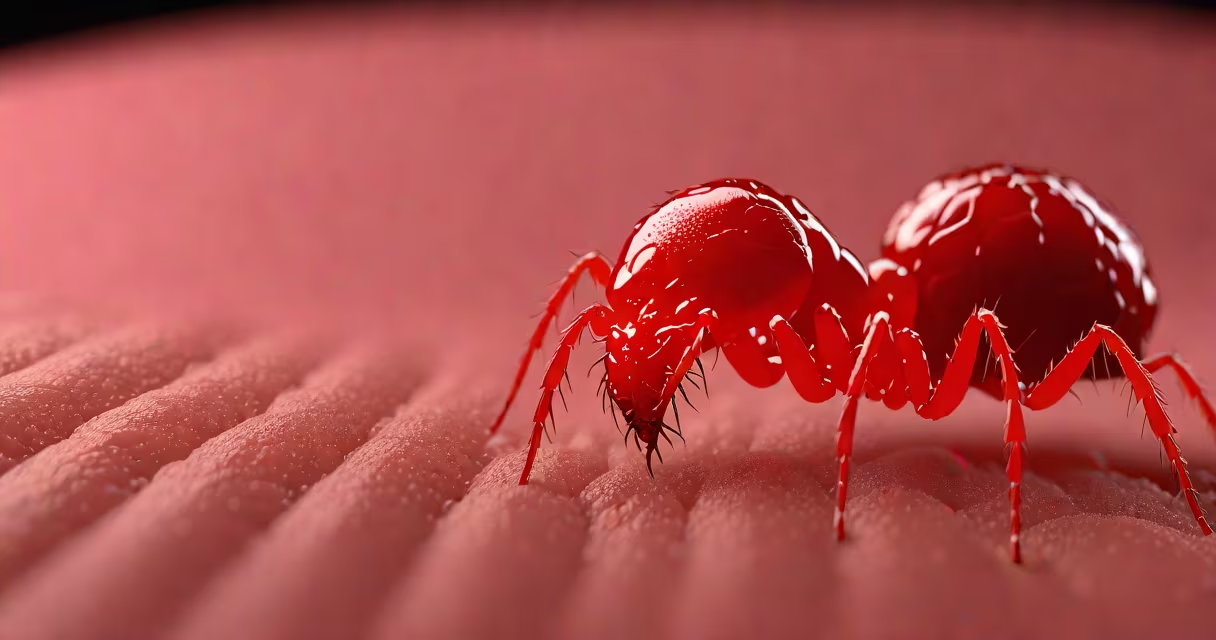
Chigger bites cause intense itching because the larvae secrete digestive enzymes that break down skin cells, triggering a strong immune response involving histamine and cytokines. This reaction leads to inflammation, swelling, and persistent nerve signals interpreted as severe itch.
Chiggers are the larval stage of harvest mites, tiny arachnids measuring less than 0.5 mm. They don't burrow into skin like ticks, nor do they feed on blood. Instead, they attach to warm, moist areas-like ankles, waistbands, or underarms-and inject saliva containing proteolytic enzymes. These enzymes digest skin tissue, creating a feeding tube called a stylostome. The host's immune system responds aggressively to this foreign material, releasing chemicals that cause pain and itching.
The American Academy of Dermatology confirms that the primary driver of itch in chigger bites is histamine release from mast cells near the bite site. Histamine binds to receptors on sensory nerves, sending signals to the brain interpreted as "itch." This process can last 3-7 days, even after the chigger detaches. Without treatment, scratching can worsen inflammation and increase infection risk.
When a chigger attaches, it secretes a cocktail of enzymes including serine proteases and phospholipases. These break down keratinocytes and extracellular matrix proteins in the outer skin layer. The damaged cells release alarm signals-alarmins like IL-33 and TSLP-that activate dendritic cells and initiate a Th2-type immune response. This cascade recruits eosinophils and increases vascular permeability, leading to redness, swelling, and intense pruritus.
Research published in *The Journal of Investigative Dermatology* shows that mice exposed to chigger saliva developed significant scratching behavior within 15 minutes, peaking at 6 hours. Human subjects report similar patterns: the worst itch occurs 12-24 hours after attachment, often worsening at night due to reduced distractions and increased blood flow to extremities.
A common misconception is that chiggers burrow into the skin. They do not. They remain on the surface, using their mouthparts to pierce the stratum corneum and form a feeding tube. Once detached-usually after 3-4 days-they leave behind a visible red bump or papule. The sensation of crawling or movement is a neurological misinterpretation caused by nerve irritation, not actual motion.
Not all biting insects produce the same level of itch. Chigger bites stand out due to their delayed onset and prolonged duration. Here's how they compare:
| Bug Type | Onset Time | Peak Itch Duration | Primary Cause |
|---|---|---|---|
| Chigger (larva) | 6-24 hours | 3-7 days | Salivary enzymes + immune response |
| Flea | 1-2 hours | 1-3 days | Anticoagulant in saliva |
| Mosquito | 15-30 minutes | 1-2 days | Protease in saliva + IgE reaction |
| Tick | 6-12 hours | 2-5 days | Neurotoxins + saliva proteins |
Chigger bites differ from mosquito bites in both timing and intensity. Mosquito bites often itch immediately and fade quickly. Chigger bites start slowly but escalate, sometimes becoming unbearable. Flea bites cluster in groups along clothing lines, while chigger bites appear as isolated red welts in warm, folded skin.
One non-obvious fact: chiggers do not survive past the larval stage. They do not reproduce on humans. After feeding, they drop off and develop into adults that live in soil and eat plant debris. Their life cycle lasts about 6 weeks. You cannot get reinfected by the same chigger, but repeated exposure increases sensitivity due to sensitization of the immune system.
In July 2022, a 34-year-old hiker reported a series of red, raised bumps on his lower legs after walking through dense brush in the Ozarks. He noticed no immediate reaction but developed intense itching 18 hours later. The lesions were 3-5 mm in diameter, surrounded by erythema, and clustered around his sock line.
He applied hydrocortisone cream and took oral antihistamines. Symptoms improved over five days but left temporary hyperpigmentation. A dermatologist confirmed the diagnosis based on location, appearance, and history of outdoor activity. The patient had not seen the mites, which are nearly invisible to the naked eye.
This case illustrates the delayed nature of chigger reactions. Many people mistake early symptoms for spider bites or allergic rashes. The absence of a visible insect and the slow onset confuse patients. Awareness of habitat-wooded, grassy areas with high humidity-is key to prevention.
Over-the-counter treatments reduce itch and speed recovery. Topical corticosteroids (e.g., 1% hydrocortisone) suppress inflammation. Antihistamines like diphenhydramine or cetirizine block histamine receptors, reducing neural signaling. Cold compresses also provide temporary relief by slowing nerve conduction.
Prevention is more effective than treatment. Wearing long pants tucked into socks, applying DEET-based repellents (20-30% concentration), and showering within 30 minutes of returning indoors reduce exposure. The Centers for Disease Control and Prevention recommends treating clothing with permethrin, which kills chiggers on contact.
I once tested a permethrin-treated shirt during a summer hike in Georgia. After walking through a known chigger zone, I checked my legs every hour. No bites appeared. My untreated hiking partner developed four itchy welts. The difference was clear: chemical protection matters.
Understanding why chigger bites itch so badly involves recognizing the biological mechanism-not just the symptom. The intense reaction stems from an evolved immune defense against foreign enzymes, not from the presence of a parasite inside the skin. Avoiding high-risk environments and using proven repellents prevent most cases.