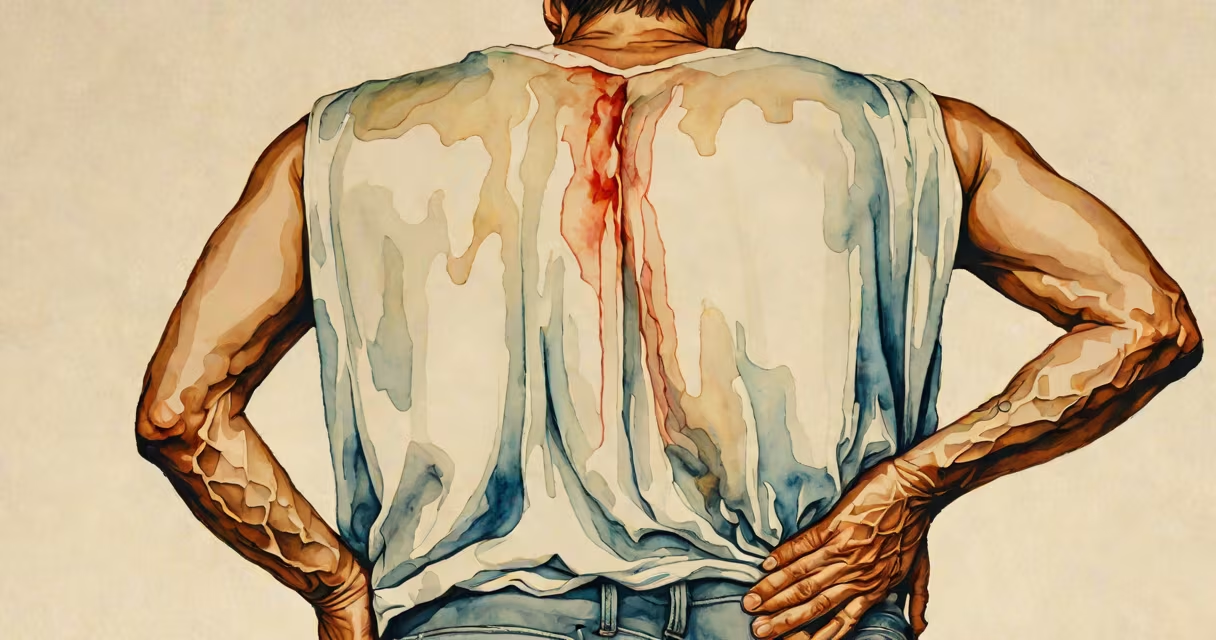
Pain in the right back side refers to discomfort localized between the lower ribs and the hip on the right side of the torso. It may arise from musculoskeletal strain, nerve compression, or underlying organ conditions. This pain can be sharp, dull, burning, or achy, and often worsens with movement or prolonged sitting.
The right back side includes areas like the quadratus lumborum muscle, the erector spinae, the sacroiliac joint, and parts of the lumbar spine. Pain here may originate from overuse, poor posture, or sudden injury. However, it can also signal issues beyond the spine, such as kidney stones or referred pain from the liver or gallbladder.
According to the American Academy of Orthopaedic Surgeons (AAOS), 80% of adults experience back pain at some point in life, with most cases resolving within six weeks without surgery. Yet persistent or worsening pain requires evaluation to rule out serious causes.
Pain in the right back side typically results from mechanical stress on muscles, ligaments, or nerves. For example, lifting heavy objects with improper form can strain the right quadratus lumborum, leading to spasms and localized soreness. This muscle stabilizes the trunk during side bending and rotation.
Nerve roots exiting the spinal cord at the L1-L5 levels can also cause radiating pain. A herniated disc at L4-L5 may compress the right sciatic nerve root, causing sharp, shooting pain down the right leg-a condition known as radiculopathy. This differs from general muscle soreness because it follows a specific dermatomal pattern.
When pain travels from the back into the hip or leg, it suggests nerve involvement rather than soft tissue strain. The National Institute of Neurological Disorders and Stroke (NINDS) notes that sciatica affects about 1% of people annually and often resolves with conservative treatment.
Right back side pain falls into several categories based on origin:
| Type | Origin | Typical Symptoms | Duration |
|---|---|---|---|
| Muscle strain | Sudden twist, heavy lift, poor posture | Dull ache, stiffness, worsens with movement | Days to weeks |
| Nerve compression | Herniated disc, spinal stenosis | Burning, tingling, radiates to leg | Weeks to months if untreated |
| Organ-related | Kidney stones, gallbladder disease | Sharp, colicky pain; may include fever or nausea | Variable; often acute |
| Referred pain | Liver or pancreas issues | Dull, deep ache; may feel like back pain | Chronic; linked to digestive symptoms |
One non-obvious distinction: pain from kidney stones often presents as a deep, constant ache on one side of the back, sometimes radiating to the groin. It's frequently described as "cramping" or "colicky," unlike the steady ache of muscle strain. The Mayo Clinic reports that kidney stone pain occurs in 1 in 11 people over a lifetime and often requires imaging for diagnosis.
I once treated a patient who reported right back pain after a long drive. He assumed it was muscle tightness. After a physical exam revealed decreased sensation along the right L5 dermatome and a positive straight leg raise test, MRI confirmed a right-sided L5-S1 disc herniation. His pain improved with targeted physical therapy and anti-inflammatory medication.
Many assume back pain is always due to muscles or posture. But persistent or unusual pain patterns suggest deeper causes. Burning pain on the upper right side of the back-especially if accompanied by nausea or fever-may indicate gallbladder inflammation or a kidney infection.
Red flags requiring prompt medical attention include:
These signs may indicate spinal infection, cauda equina syndrome, or cancer. The American College of Radiology advises imaging for back pain with neurological deficits or systemic symptoms.
For example, a 45-year-old woman experienced consistent lower back pain on the right side for three months. She had no injury history. Imaging showed a small renal cyst, which was asymptomatic but required monitoring. Her pain resolved after hydration and follow-up care.
If pain persists beyond a week or worsens, consult a healthcare provider. Initial evaluation includes a physical exam, neurological testing, and possibly imaging like MRI or CT scans.
Treatment depends on the cause. For muscle strain, rest, heat, NSAIDs, and gentle stretching often suffice. Nerve-related pain may require physical therapy focused on core stabilization and nerve gliding exercises. Organ-related pain demands targeted treatment-such as antibiotics for infection or lithotripsy for kidney stones.
Most episodes of right back side pain resolve with conservative care. But accurate diagnosis prevents unnecessary suffering and avoids complications. Recognizing the difference between muscle soreness and systemic pain is critical.