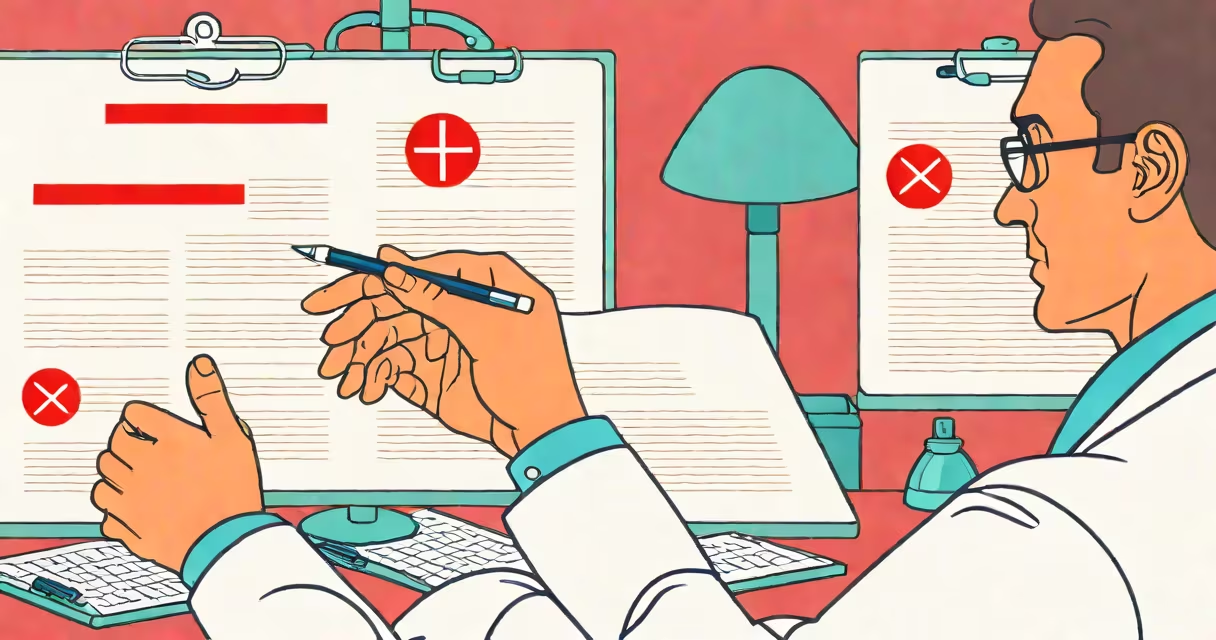
Exacerbation describes a sudden increase in severity of symptoms in a chronic illness or condition, often triggered by external factors or internal changes. It is not a new diagnosis but a temporary intensification of existing issues. This term is most commonly used in medicine to describe episodes where a patient's health deteriorates beyond their usual baseline.
In clinical settings, exacerbation signals a need for intervention. For example, a person with moderate asthma may experience normal breathing during daily activities. But if they inhale smoke or develop a viral infection, their airways may suddenly tighten, leading to wheezing, shortness of breath, and reduced lung function-this is an exacerbation. Without treatment, such episodes can lead to hospitalization.
The term applies across multiple conditions. In chronic obstructive pulmonary disease (COPD), exacerbations are responsible for nearly half of all hospital admissions. According to the Global Initiative for Chronic Obstructive Lung Disease (GOLD), exacerbations occur in 30-50% of patients annually and are linked to increased mortality risk. Similarly, in multiple sclerosis, relapses-periods of new or worsening neurological symptoms-are classified as exacerbations.
Exacerbation occurs when underlying biological processes accelerate due to triggers. These triggers vary by condition. In inflammatory diseases like rheumatoid arthritis, stress, infections, or poor sleep can activate immune cells, increasing joint swelling and pain. In mental health, a depressive episode worsened by trauma or loss may be termed an exacerbation of mood disorder symptoms.
Physiologically, exacerbation often involves feedback loops. For instance, in heart failure, fluid buildup increases strain on the heart. As the heart struggles to pump effectively, blood pressure drops, reducing oxygen delivery to tissues. This leads to fatigue and dizziness-symptoms that further reduce activity, worsening circulation. The cycle continues until medical care interrupts it.
Monitoring for exacerbation requires tracking baseline symptoms. Patients with chronic migraines learn to record frequency, duration, and intensity. A spike above their personal threshold-say, five headaches per week instead of two-is a sign of exacerbation. Tools like symptom diaries or mobile apps help identify patterns early.
Exacerbations fall into two categories: mild, moderate, and severe. Severity is determined by functional impact, not just symptom scale. A mild exacerbation may cause discomfort but allow normal activity. A severe one disables daily tasks and requires urgent care.
| Type | Definition | Example |
|---|---|---|
| Mild | Symptoms exceed baseline but do not disrupt routine | Asthma patient uses rescue inhaler once daily but works normally |
| Moderate | Requires additional medication or clinic visit | COPD patient visits ER for oxygen therapy after worsening cough |
| Severe | Needs hospitalization or intensive care | Multiple sclerosis patient experiences paralysis requiring IV steroids |
Common triggers include infections (viral or bacterial), environmental pollutants, medication non-adherence, emotional stress, and abrupt lifestyle changes. For example, a study published in *The Lancet Respiratory Medicine* found that respiratory viruses trigger 60% of COPD exacerbations. Another study in *JAMA Neurology* showed that sleep deprivation increases relapse rates in multiple sclerosis by 38%.
Many people mistake exacerbation for a new diagnosis. A patient with stable type 2 diabetes who develops extreme fatigue and blurred vision may assume they've developed a new condition. But if their blood sugar was already high and they missed insulin doses, this is likely an exacerbation of uncontrolled diabetes-not a change in disease status.
Another misunderstanding is equating exacerbation with permanent decline. While repeated exacerbations can contribute to long-term damage-such as irreversible lung scarring in COPD-they don't necessarily mean the disease is progressing. Recovery between episodes is possible with proper management.
A less obvious point: exacerbation doesn't always mean worsening of the disease itself. In some cases, it reflects a response to treatment. For example, a patient starting immunotherapy for cancer may experience flu-like symptoms, fever, and rash-common signs of immune activation. These are not disease progression but side effects that mimic exacerbation. Distinguishing them requires clinical context.
Consider Maria, a 67-year-old woman with moderate COPD. Her baseline FEV1 (forced expiratory volume in one second) is 55% of predicted. She manages her condition with a daily inhaled corticosteroid and a rescue albuterol inhaler. Over two days, she develops increased shortness of breath, productive cough with yellow sputum, and fatigue. Her peak flow drops by 30% from baseline.
These changes meet clinical criteria for an exacerbation. She contacts her pulmonologist, who prescribes a 5-day course of oral prednisone and a 7-day antibiotic. After treatment, her symptoms improve, and her lung function returns to near-baseline levels. This episode was an exacerbation-temporary, treatable, and not indicative of permanent decline.
According to the American Thoracic Society, timely recognition and treatment of exacerbations reduce hospitalization rates by 40%. Early intervention prevents complications and improves quality of life.
Patients should seek medical attention if symptoms exceed their usual threshold. Red flags include: difficulty speaking in full sentences, inability to lie flat, blue lips or fingernails, confusion, or rapid breathing (>24 breaths per minute).
Prevention strategies include vaccination (flu and pneumococcal), avoiding smoke and pollution, adhering to medication regimens, and regular follow-ups. For those managing chronic conditions, creating a written action plan with their provider reduces emergency visits by up to 50%, per research in *Annals of Internal Medicine*.
Understanding what exacerbation means empowers patients to act early. It's not a sign of failure-it's a signal that the body is responding to stress. Recognizing it allows timely care, better outcomes, and fewer hospitalizations.