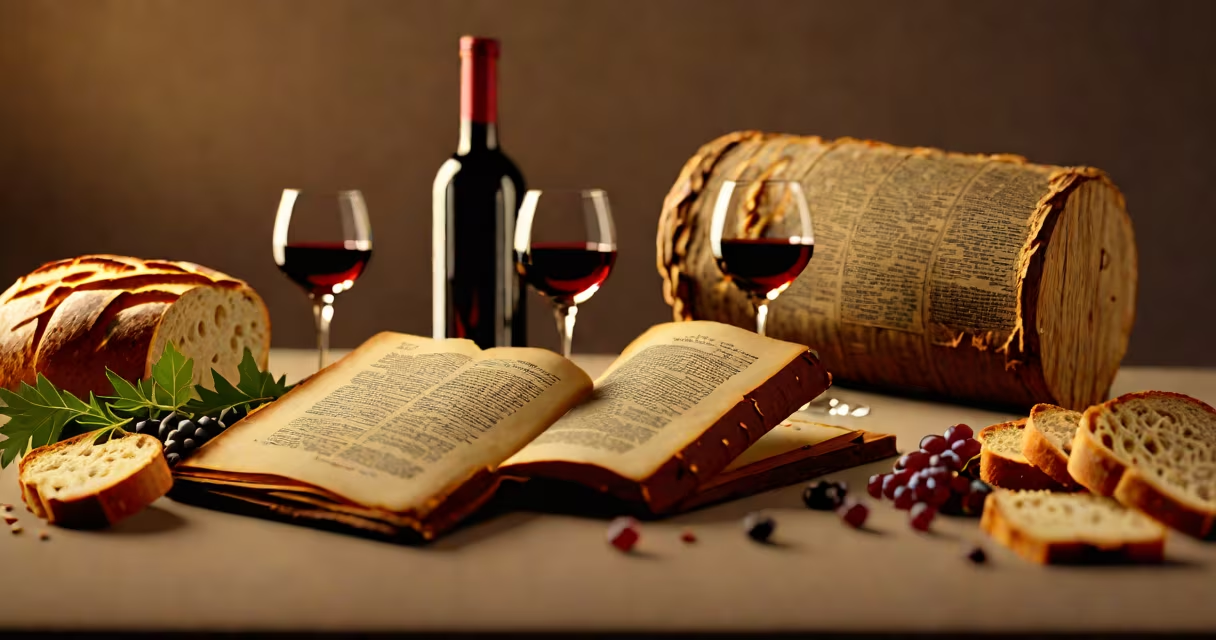
The Bible presents alcohol, primarily wine, as a gift from God meant for celebration and sustenance, but warns against drunkenness as sinful behavior. It reflects a detailed view shaped by ancient Near Eastern culture and spiritual discipline.
Wine appears in over 250 passages across the Old and New Testaments. It is served at meals, used in rituals, and offered as a symbol of joy. In Genesis 27:28, Isaac blesses Jacob with "wine and milk," linking abundance to drink. Proverbs 31:6-7 advises giving wine to those in distress, suggesting therapeutic use.
Drunkenness, however, is consistently condemned. Proverbs 20:1 states, "Wine is a mocker, strong drink a brawler." Paul writes in Ephesians 5:18, "Do not get drunk on wine, which leads to debauchery. Instead, be filled with the Spirit." These verses frame intoxication as a failure of self-control and spiritual discernment.
Jesus' first miracle-turning water into wine-at Cana (John 2:1-11) underscores wine's role in divine blessing. The steward calls the wine "the best" despite being served last, indicating quality and celebration. This event is not a endorsement of excess but a sign of Christ's glory.
Most biblical references to alcohol refer to fermented grape wine, not distilled spirits. Ancient Israelites consumed wine diluted with water-typically a ratio of one part wine to ten parts water-to reduce potency. This practice was common throughout the Mediterranean world.
Alcohol was not a recreational substance but part of daily life. It preserved food, aided digestion, and served in religious offerings. The priestly system required wine for temple sacrifices (Numbers 6:19-20). Wine was also used in anointing rituals and as a symbol of covenant-"the blood of the covenant" (Exodus 24:8).
A table comparing biblical uses:
| Use | Passage | Context |
|---|---|---|
| Offering to God | Leviticus 23:13 | Temple sacrifice; wine as part of grain offering |
| Symbol of joy | Psalms 104:15 | "Wine that gladdens the heart of man" |
| Warning against excess | Proverbs 23:20-21 | "Do not join those who drink too much wine" |
| Sign of divine presence | Matthew 26:27-29 | Jesus says the cup is "the new covenant in my blood" |
Many assume the Bible promotes abstinence. This is incorrect. The Hebrew word *yayin* (wine) and Greek *oinos* appear frequently in positive contexts. Jesus drank wine, and Paul advised Timothy to use wine for his stomach (1 Timothy 5:23)-a medical reference, not a license for indulgence.
Another error is equating all wine with intoxication. The Bible distinguishes between moderate consumption and drunkenness. The Greek term *methu* (drunk) implies loss of control. Proverbs 23:20-21 specifically warns against "those who drink too much wine" and "who chase after meat."
A lesser-known point: the Bible does not prohibit alcohol outright. Instead, it sets boundaries based on responsibility. Paul writes in Romans 14:21, "It is better not to eat meat or drink wine if it causes your brother to stumble." This principle of avoiding harm to others applies to alcohol use in community settings.
I once attended a church gathering where members debated whether hosting a wine-tasting event violated biblical teaching. After reviewing the texts, we concluded that the issue wasn't wine itself but the intent behind its use. If wine fosters fellowship and gratitude, it aligns with Scripture. If it leads to pride or shame, it violates the spirit of the law.
Modern Christian denominations differ widely. Some, like the Church of the Nazarene, advocate total abstinence. Others, such as many Catholic and Orthodox traditions, permit moderate drinking. The key distinction lies in application: Scripture permits wine, but not abuse.
While the Bible doesn't address modern alcoholism, it does speak to addiction patterns. The story of Noah's drunkenness (Genesis 9:21) shows consequences: shame, exposure, and family conflict. This narrative serves as a cautionary tale, not a moralizing one.
Biblical references to bees (e.g., Proverbs 25:4, "Remove the dross from silver") use insects as metaphors for purity. Bees produce honey-a sweet substance linked to wisdom and provision. The contrast between honey and wine illustrates how God provides both natural sweetness and fermented joy, each with purpose.
The Bible's stance on alcohol is not binary. It recognizes wine as a good creation, but demands accountability. Moderation, intentionality, and love for neighbor define responsible use.