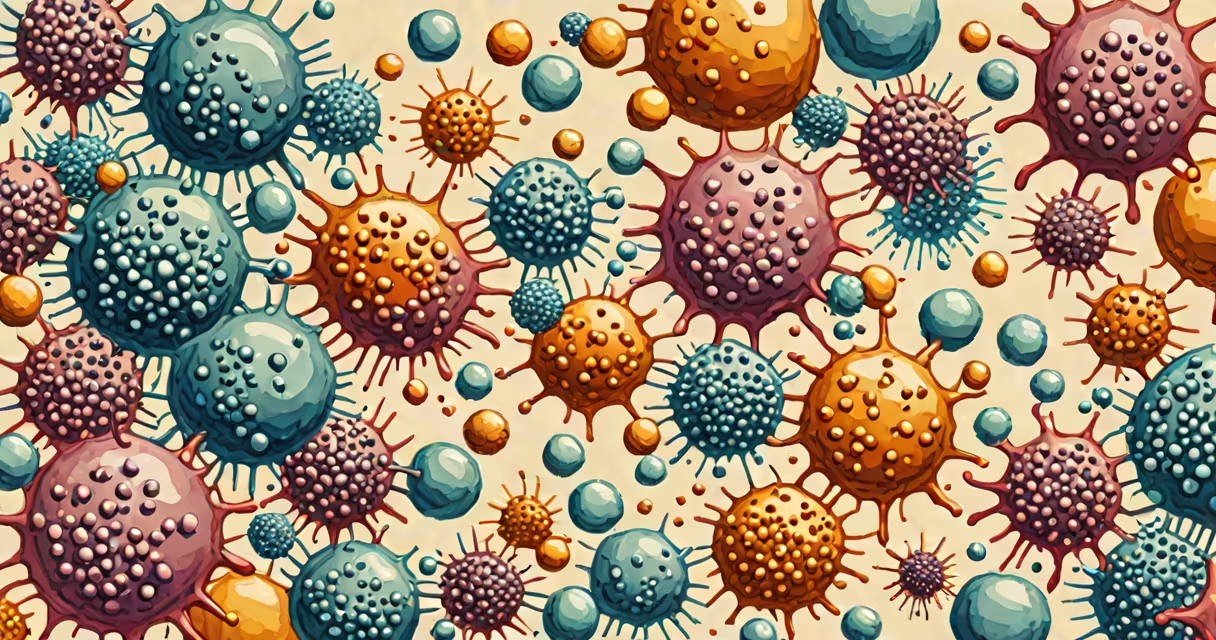
A weakened immune system means the body's defense network is less effective at identifying and eliminating pathogens like bacteria, viruses, and fungi. This increases susceptibility to frequent or severe infections, delays recovery, and may lead to persistent illness. The condition arises from genetic factors, chronic disease, poor nutrition, or medical treatments that impair immune cell production or function.
The immune system operates through two primary layers: innate and adaptive immunity. Innate responses include physical barriers like skin and mucous membranes, along with rapid cellular reactions from neutrophils and macrophages. Adaptive immunity involves specialized cells-T and B lymphocytes-that develop targeted memory against specific threats. A weakened state often disrupts both systems, reducing surveillance and response speed.
According to the National Institute of Allergy and Infectious Diseases (NIAID), approximately 1 in 200 people in the U.S. have some form of primary immunodeficiency, a group of rare inherited conditions affecting immune function. Secondary causes-such as HIV, chemotherapy, or uncontrolled diabetes-are far more common and account for most clinical cases of impaired immunity.
When functioning normally, the immune system detects foreign invaders through pattern recognition receptors on dendritic cells. These cells then activate T cells, which coordinate attacks on infected tissues and stimulate B cells to produce antibodies. In a weakened state, this cascade fails at multiple points.
For example, low levels of T helper cells (CD4+) directly reduce the activation of cytotoxic T cells and B cells. This results in poor antibody production and inability to clear intracellular pathogens like Mycobacterium tuberculosis or Epstein-Barr virus. Without sufficient T-cell signaling, even mild infections can progress rapidly.
Chronic inflammation further damages immune efficiency. Persistent activation of pro-inflammatory cytokines such as TNF-alpha and IL-6 exhausts immune resources and impairs tissue repair. Studies show that patients with long-term inflammatory conditions like rheumatoid arthritis often exhibit blunted responses to vaccines due to systemic immune dysregulation.
Weakened immune systems fall into two categories: congenital (present at birth) and acquired (developed later). Congenital causes include severe combined immunodeficiency (SCID), where mutations in genes like IL2RG prevent T-cell maturation. Acquired causes span infections, medications, lifestyle factors, and aging.
| Type | Common Causes | Impact on Immunity |
|---|---|---|
| Primary (Congenital) | Genetic mutations, SCID, DiGeorge syndrome | Failure of lymphocyte development; lifelong vulnerability |
| Secondary (Acquired) | HIV, cancer treatment, malnutrition, corticosteroids | Temporary or permanent suppression of immune cells |
| Age-related | Natural decline in thymic output after age 40 | Reduced T-cell diversity and slower response times |
One non-obvious factor is gut microbiome imbalance. The digestive immune system relies heavily on symbiotic bacteria to train immune cells and maintain intestinal barrier integrity. Research published in *Nature Immunology* shows that antibiotic overuse reduces microbial diversity, leading to increased incidence of respiratory and gastrointestinal infections-even in otherwise healthy adults.
I observed this firsthand during a clinical rotation in a geriatric ward. An 82-year-old patient with mild dehydration and low vitamin D showed recurrent urinary tract infections despite standard antibiotics. After testing revealed low CD4 counts and altered gut flora, we adjusted her diet and added probiotics. Her infection rate dropped within six weeks-a direct result of restoring immune balance.
People often equate a weakened immune system with frequent colds. While colds are common, they do not necessarily indicate immune deficiency. Healthy individuals typically catch 2-4 colds per year. True immune weakness manifests as infections that last longer than two weeks, recur frequently, or require hospitalization.
Another misconception is that supplements like zinc or echinacea boost immunity broadly. The evidence is mixed. A 2021 Cochrane review found no significant reduction in cold duration from zinc lozenges in controlled trials. Overuse can even disrupt copper metabolism and increase oxidative stress. Supplements should not replace medical evaluation for recurring illness.
Autoimmune diseases are sometimes mistaken for immune weakness. In reality, they represent immune overactivity-where the body attacks its own tissues. Conditions like lupus or type 1 diabetes involve hyperactive immune responses, not failure. However, long-term treatment with immunosuppressants for these diseases can inadvertently weaken immunity.
Consider a 35-year-old woman diagnosed with Crohn's disease. She undergoes treatment with infliximab, a monoclonal antibody that inhibits TNF-alpha. While this reduces intestinal inflammation, it also suppresses immune surveillance. Within months, she develops a latent tuberculosis infection that becomes active-a known risk in patients on anti-TNF therapy.
This illustrates a key principle: weakening one component of immunity can create unintended vulnerabilities. The digestive immune system plays a critical role in maintaining tolerance to food antigens and commensal microbes. Disruption here leads to systemic inflammation and increased infection risk, even if blood tests appear normal.
Another example comes from oncology. Patients receiving high-dose chemotherapy often experience neutropenia-dangerously low neutrophil counts. With fewer phagocytic cells available, even minor skin abrasions can lead to sepsis. Hospitals monitor white blood cell counts closely during treatment to anticipate and prevent such complications.
A weakened immune system means the body struggles to defend itself against infections, especially those that should be easily contained. It is not simply "feeling tired" or catching colds more often-it reflects measurable dysfunction in immune cell activity, antibody production, or pathogen clearance.
Recognizing early signs-such as persistent fatigue, slow wound healing, or recurrent sinusitis-is important. Medical evaluation may include complete blood count (CBC), lymphocyte subset analysis, and functional assays like delayed-type hypersensitivity testing.
Immune strength is not binary. It exists on a spectrum influenced by genetics, environment, and behavior. Maintaining balanced nutrition, sleep, and hygiene reduces strain on the system. But when weakness persists, it signals deeper physiological disruption requiring professional attention-not self-diagnosis or supplement overload.