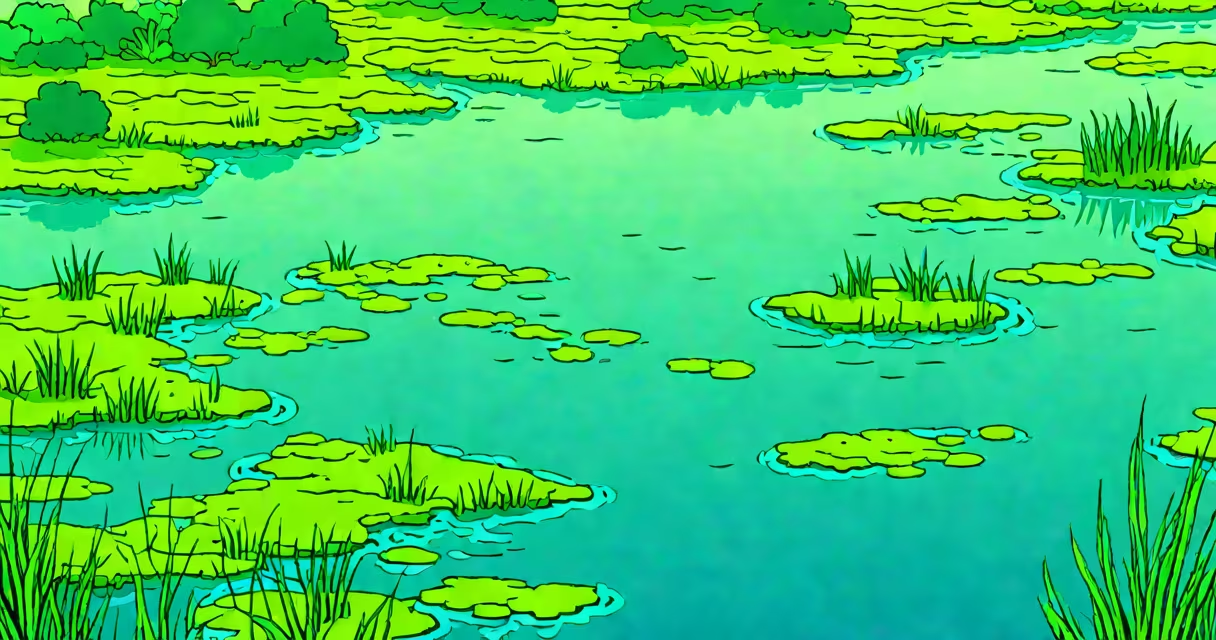
Blue green algae, scientifically known as cyanobacteria, releases potent toxins into water that can cause gastrointestinal distress, liver damage, and neurological symptoms in humans. These toxins enter the body through ingestion, skin contact, or inhalation during recreational activities near contaminated water.
Cyanobacteria thrive in warm, nutrient-rich waters, especially during summer months. When they bloom, they form dense mats on the surface of lakes, rivers, and ponds. These blooms often appear as thick green scum or paint-like layers. The most dangerous compounds produced are microcystins, nodularin, and cylindrospermopsin-each targeting different organs.
Microcystins primarily affect the liver. A single exposure to high levels can lead to acute hepatitis, with symptoms including nausea, vomiting, abdominal pain, and jaundice. Nodularin causes similar liver injury and may result in hemolysis. Cylindrospermopsin damages the liver and kidneys and has been linked to cancer in animal studies. Neurotoxic strains produce anatoxin-a, which acts rapidly on nerve receptors, causing muscle twitching, paralysis, and respiratory failure.
Exposure happens through direct contact, accidental ingestion, or breathing aerosolized toxins. Swimming in affected water is common. Even brief immersion can allow toxins to enter through the skin or mucous membranes. Ingestion occurs when people drink untreated water or eat fish caught in contaminated lakes.
Aerosolization is less obvious but significant. Wind-driven waves and water spray from boats or fountains can carry toxin-laden droplets into the air. Breathing these particles leads to respiratory irritation, coughing, and bronchitis. This risk is highest near marinas, water parks, and boat launches during bloom events.
In 2014, Toledo, Ohio, experienced a water crisis when a cyanobacterial bloom in Lake Erie released microcystin into the municipal water supply. Over 400,000 residents were advised not to drink tap water for three days. The event highlighted how easily toxins can bypass standard treatment systems if not specifically targeted.
Three major classes of cyanotoxins affect human health differently:
| Toxin Type | Primary Target | Common Symptoms | Source Water Risk Level |
|---|---|---|---|
| Microcystins | Liver | Nausea, vomiting, jaundice, elevated liver enzymes | High (common in freshwater blooms) |
| Anatoxin-a | Nervous system | Muscle tremors, rapid breathing, paralysis | Moderate to high (rare but fatal) |
| Cylindrospermopsin | Liver and kidneys | Abdominal pain, fatigue, potential long-term organ damage | Low to moderate (growing concern) |
Microcystins are the most frequently detected in U.S. water bodies. According to the EPA's National Lakes Assessment (2012), 6% of monitored lakes had detectable microcystin levels above the recommended safety threshold of 0.3 µg/L. Levels exceeding 1 µg/L trigger public health advisories.
One non-obvious fact: Microcystins are heat-stable. Boiling water does not destroy them. This means boiling tap water during a bloom event offers no protection. Filtration using activated carbon or reverse osmosis is required to reduce toxin levels.
People often mistake blue green algae for regular green algae. True green algae (Chlorophyta) are generally harmless and do not produce neurotoxins. Cyanobacteria are prokaryotes-bacteria-not plants. They perform photosynthesis but lack nuclei and organelles.
Another confusion: Not all green scum is toxic. Some blooms are dominated by non-toxic strains. However, testing is required to confirm safety. Visual inspection cannot distinguish between toxic and non-toxic species. The presence of a bloom alone is a red flag.
I once observed a family swimming in a lake in northern Michigan during peak bloom season. The water was thick with green foam. Afterward, two children developed severe stomach cramps and diarrhea. Local health officials later confirmed microcystin levels exceeded 10 µg/L-over 30 times the safe limit. The parents had assumed "green water" was just algae, not poison.
Public health agencies monitor water quality using satellite imaging and field sampling. When toxin levels rise, authorities issue advisories. Signs posted at beaches warn against swimming, fishing, or letting pets drink from the water.
If exposure occurs, rinse thoroughly with clean water and seek medical attention if symptoms develop. For drinking water, use filters certified to remove cyanotoxins. The NSF/ANSI Standard 53 certifies filters that reduce microcystin by at least 90%. Avoid using untested home filtration systems.
Understanding what blue green algae does to humans requires recognizing both immediate dangers and systemic risks. Early detection, accurate identification, and proper response prevent serious illness. Always treat green scum in water as a potential threat until confirmed otherwise.