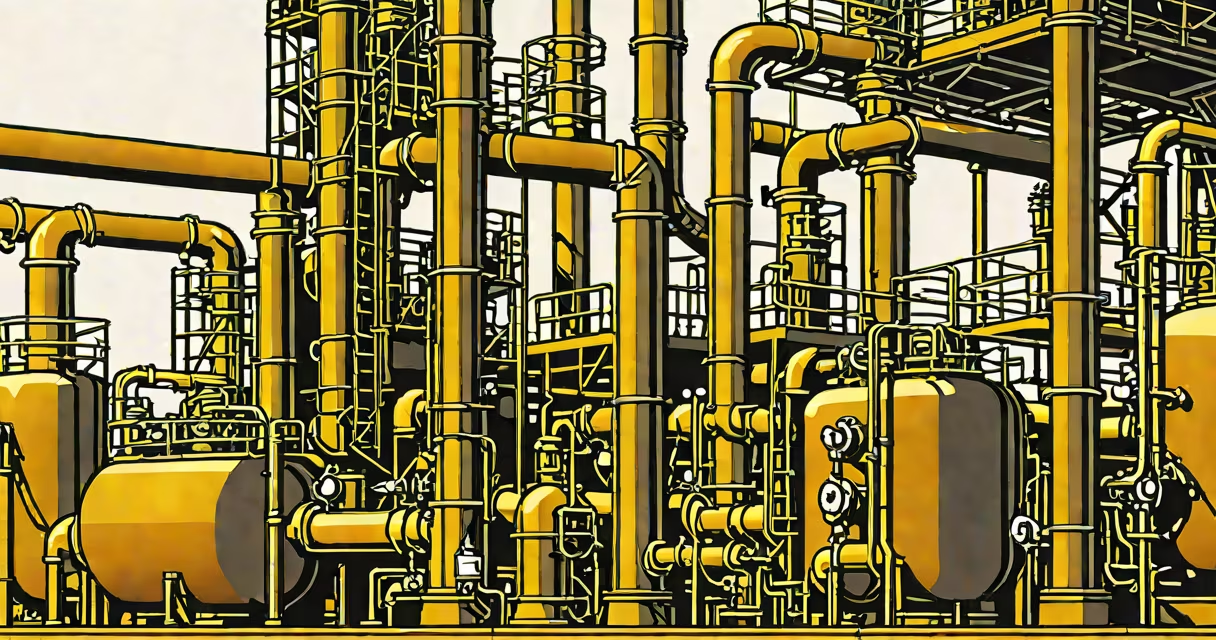
Crude oil is refined into hundreds of products, including gasoline, diesel, jet fuel, plastics, synthetic rubber, fertilizers, and pharmaceuticals. Its transformation begins in refineries where heat and pressure separate raw oil into distinct fractions based on boiling points.
Refining converts crude oil into usable components. Lighter fractions like naphtha and kerosene boil off first and are used for fuels and chemical feedstocks. Heavier fractions such as lubricating oils and asphalt require further processing. Each fraction becomes a building block for specific applications.
For example, ethylene-a gas derived from cracking naphtha-is the foundation for polyethylene plastic, used in packaging, bottles, and films. Propylene, another byproduct, forms polypropylene, found in automotive parts and textiles. These chemicals are not just materials-they're essential to modern infrastructure and daily life.
Refineries process crude oil through distillation, cracking, reforming, and treating. Distillation separates crude oil into streams based on molecular weight. Lighter molecules like butane and propane vaporize at lower temperatures and are collected early.
Cracking breaks down heavy hydrocarbons into smaller, more valuable ones. Fluid catalytic cracking (FCC) converts heavy gas oil into high-octane gasoline and propylene. This step increases yield of transportation fuels, which account for about 50% of global oil demand.
Reforming alters molecular structure to boost octane ratings. Aromatics like benzene and toluene are produced this way and serve as solvents and intermediates in making dyes, explosives, and resins. Without reforming, modern gasoline wouldn't meet performance standards.
Oil is not just fuel. It's a source of raw materials for industries ranging from agriculture to healthcare. The following table outlines major product groups, their uses, and typical yields from a barrel of crude oil (approximately 42 gallons).
| Product Group | Primary Uses | Average Yield per Barrel |
|---|---|---|
| Fuels (gasoline, diesel, jet fuel) | Transportation, power generation | 45-50% |
| Plastics & Polymers | Packaging, construction, electronics | 15-20% |
| Lubricants & Waxes | Machinery, cosmetics, candles | 5-7% |
| Chemicals (ethylene, propylene) | Adhesives, paints, synthetic fibers | 10-12% |
| Asphalt & Residues | Road paving, roofing, sealants | 10-15% |
These percentages vary by crude oil type and refinery configuration. Light sweet crude yields more gasoline; heavy sour crude produces more fuel oil and residue.
Plastics alone consume about 11% of global oil production annually. Polyethylene, the most common plastic, is made from ethylene derived from naphtha cracking. Over 100 million tons of polyethylene are produced yearly-enough to wrap every person on Earth in plastic film six times over.
Many assume oil is only burned for energy. But less than half of crude oil ends up as fuel. The rest becomes materials that form the core of modern industry.
Another misconception is that all petroleum products are harmful. While fossil fuel combustion contributes to climate change, many oil-derived materials have low carbon footprints when reused or recycled. For example, recycled polyethylene can reduce emissions by up to 70% compared to virgin plastic.
Some confuse "light oil" with "light crude." Light oil refers to low-viscosity fractions like gasoline and kerosene. Light crude is a category of crude oil with low density and sulfur content. They're related but not interchangeable. Light crude is a feedstock; light oil is a product.
For instance, a barrel of light crude from the Permian Basin typically yields 48% gasoline and 22% diesel. Heavy crude from Venezuela may produce only 30% gasoline and 15% diesel, requiring more complex refining.
Take a single barrel of West Texas Intermediate (WTI) crude oil-about 42 gallons. After refining:
From this one barrel, you get enough fuel for a car to drive 1,000 miles, enough jet fuel for a transatlantic flight, and enough plastic to make 100 grocery bags. That's the scale of oil's utility beyond energy.
During a visit to a refinery in Houston, I watched the distillation column glow orange under night lights. The visible separation of vapors into streams-clear, yellow, dark-wasn't just engineering. It was chemistry turning raw oil into the materials that move cities, build homes, and carry people across continents.
Re-refining removes impurities through processes like vacuum distillation and hydrotreating. The result is oil that meets API standards for engine performance. Re-refined oil reduces waste and cuts greenhouse gas emissions by up to 80% compared to virgin oil.
Understanding what oil is used to make reveals its role far beyond fuel. It's a material source, a chemical builder, and a driver of industrial systems. Every time you use a plastic bottle, ride in a car, or fly across the country, you're using products born from crude oil.