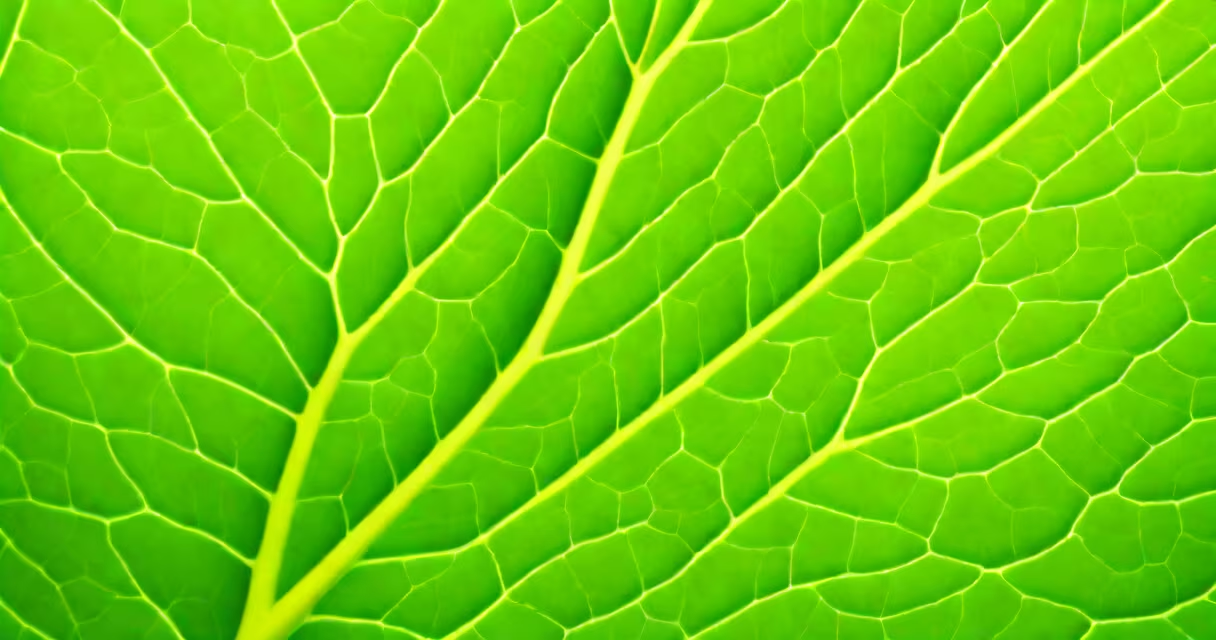
A plant is a multicellular organism in the kingdom Plantae that synthesizes its own food using light energy through photosynthesis, possesses specialized vascular tissues for water and nutrient transport, and typically develops roots, stems, and leaves. Plants form the foundation of terrestrial ecosystems and contribute to atmospheric oxygen levels.
Plants are autotrophs-organisms that produce their own sustenance. They capture sunlight via chlorophyll in chloroplasts, converting carbon dioxide and water into glucose and oxygen. This process occurs primarily in leaves, where stomata regulate gas exchange. Without plants, Earth's atmosphere would lack sufficient oxygen for aerobic life, and food webs would collapse.
According to the Royal Botanic Gardens, Kew, over 400,000 species of plants exist worldwide, ranging from microscopic algae to giant sequoias. These organisms evolved from aquatic ancestors around 470 million years ago, developing adaptations like cuticles and vascular systems to survive on land. Their success lies in structural innovation and reproductive diversity.
Plant function relies on coordinated systems. Roots anchor the organism and absorb water and minerals from soil. Stems provide structural support and transport fluids via xylem (water upward) and phloem (sugars downward). Leaves serve as primary sites for photosynthesis and transpiration-the loss of water vapor through stomata.
Internal regulation occurs through hormones such as auxins, gibberellins, and cytokinins. Auxins control cell elongation and phototropism-growth toward light. Gibberellins stimulate stem elongation and seed germination. Cytokinins promote cell division, especially in roots and shoots. These signals allow plants to respond dynamically to environmental cues like light direction, moisture availability, and temperature shifts.
For example, a sunflower exhibits heliotropism-its young flower heads track the sun from east to west during the day. This movement results from differential auxin distribution on opposite sides of the stem, causing cells on the shaded side to elongate faster. Once mature, the flower faces east permanently, optimizing pollen reception and attracting pollinators.
Plants fall into two broad categories based on reproductive strategy: non-vascular (e.g., mosses) and vascular (e.g., ferns, gymnosperms, angiosperms). Non-vascular plants lack true roots, stems, and leaves and depend on moist environments for gamete transfer. Vascular plants have lignified tissues that enable upright growth and long-distance transport.
| Type | Examples | Reproduction Method | Key Adaptations |
|---|---|---|---|
| Non-vascular | Mosses, liverworts | Sporophyte alternates with gametophyte; requires water for sperm motility | Hydrophilic gametes; rhizoids instead of roots |
| Vascular (seedless) | Ferns, horsetails | Spores dispersed by wind; dominant sporophyte generation | Vascular tissue; true roots and leaves |
| Vascular (seed-producing) | Pine trees, roses, wheat | Seeds protect embryos; pollination via wind or animals | Flowers, fruits, pollen grains |
Angiosperms-flowering plants-are the most diverse group, accounting for 90% of known plant species. They produce seeds enclosed in fruits, which aid in dispersal. For instance, the dandelion's parachute-like pappus allows seeds to travel kilometers on wind currents. A single dandelion can release up to 2,000 seeds annually.
Many assume all plants grow slowly. While many do, some exhibit rapid motion. The Venus flytrap (Dionaea muscipula) closes its trap in under 0.1 seconds-faster than human reflexes-using ion-driven cell swelling. This speed enables it to catch insects for nitrogen supplementation in nutrient-poor soils.
Another misconception is that plants don't feel pain. They lack nervous systems and brains, so they cannot experience pain as animals do. However, they respond to stimuli through chemical signaling. When a tomato plant is damaged by a caterpillar, it releases volatile organic compounds (VOCs) that attract parasitic wasps, which lay eggs in the herbivore. This defense mechanism is a form of indirect communication.
Some confuse algae with plants. Algae are not classified within Plantae. They include both unicellular and multicellular forms, many of which live in aquatic environments. Unlike plants, algae lack true roots, stems, and leaves, and their photosynthetic pigments differ-some use phycobilins instead of chlorophyll b.
Plants sustain global life. Through photosynthesis, they fix approximately 120 billion metric tons of carbon annually, helping regulate climate. Forests alone store over 800 gigatons of carbon, equivalent to decades of current fossil fuel emissions. Deforestation contributes to greenhouse gas accumulation.
On a daily scale, humans rely on plants for food, medicine, fiber, and oxygen. Over 70% of the world's population depends on herbal remedies derived from plants. The bark of the Pacific yew tree yields paclitaxel, a chemotherapy drug used in treating breast and ovarian cancers. Without plant-derived compounds, modern oncology would lack critical tools.
I once observed a community garden in Oakland where residents grew heirloom tomatoes using companion planting techniques. Marigolds were interplanted to deter nematodes, while basil attracted predatory insects. The yield exceeded local market prices by 40%. This demonstrated how understanding plant biology supports sustainable agriculture.
Plants are not passive entities. They adapt, communicate, and shape environments. From the microscopic algae in Arctic ice to the towering redwoods of California, each organism plays a role in planetary balance. Recognizing their complexity fosters responsible stewardship of Earth's resources.