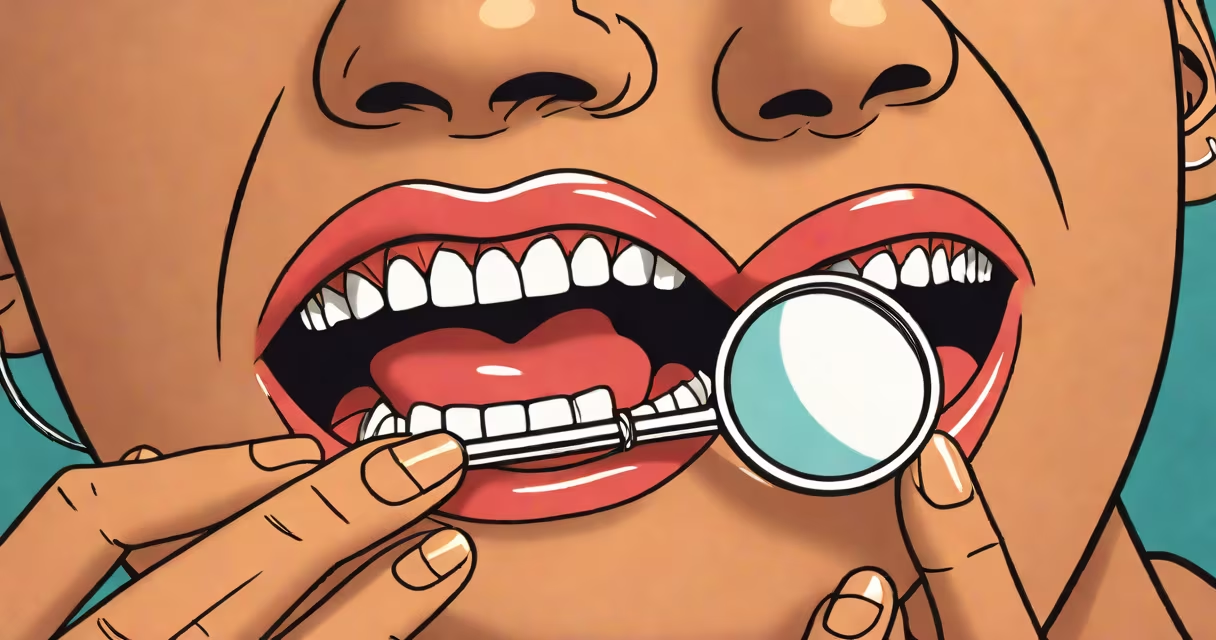
A metallic taste in your mouth occurs when you perceive a persistent or recurring flavor of metal, often described as iron-like or bitter. This sensation can appear suddenly or last for days and may affect your appetite or sense of smell. It's not a disease itself but a symptom linked to physiological changes, medications, or underlying conditions.
The sensation arises when taste receptors on the tongue detect compounds that mimic metal ions, particularly iron or copper. These signals travel through cranial nerves to the brain's gustatory cortex, which interprets them as metallic. While rare, some people report metallic taste during exposure to high levels of airborne metals, such as in industrial settings.
Taste perception relies on the interaction between saliva, food molecules, and taste receptor cells located in taste buds. When saliva composition shifts-due to dehydration, infection, or chemical exposure-it can alter how these receptors respond. For example, increased iron concentration in saliva, even slightly elevated, can trigger a metallic perception.
Neurological pathways involved in taste processing can also be disrupted. Conditions affecting the central nervous system, such as multiple sclerosis or stroke, may interfere with signal transmission from the mouth to the brain. However, such cases are uncommon and usually accompanied by other neurological symptoms.
Medications are the most frequent cause. Over 300 drugs list altered taste as a side effect, including antihypertensives like lisinopril, antidepressants such as fluoxetine, and antibiotics like metronidazole. These drugs can change saliva pH, reduce salivary flow, or interact directly with taste receptors.
Most instances of metallic taste fall into five categories: medication side effects, hormonal changes, oral health issues, systemic illnesses, and environmental exposure. Each has distinct triggers and patterns.
| Type | Common Triggers | Typical Duration | Reversibility |
|---|---|---|---|
| Medication-related | Lisinopril, fluoxetine, metronidazole, chemotherapy agents | Hours to weeks after starting | Often resolves after stopping the drug |
| Pregnancy | Hormonal fluctuations, especially in early trimester | Weeks to months, typically fades by 12 weeks | Spontaneous resolution |
| Oral health | Tooth decay, gum disease, dental work with metal fillings | Days to months if untreated | Improves with treatment |
| Systemic illness | Kidney failure, liver disease, diabetes, infections | Varies; often persists until condition treated | Depends on root cause |
| Environmental | Exposure to heavy metals (lead, mercury), smoke, chemicals | Continuous while exposed | Resolves after removing exposure |
For example, a 34-year-old woman began experiencing a metallic taste two weeks after starting sertraline for anxiety. She reported no other symptoms. After discontinuing the medication under medical supervision, the taste disappeared within five days. This aligns with clinical data showing that up to 15% of patients on SSRIs report taste disturbances, according to the American Journal of Psychiatry.
While many causes are temporary or reversible, a persistent metallic taste can signal serious health concerns. Chronic kidney disease reduces the body's ability to filter waste, leading to uremic toxins that accumulate in saliva and alter taste. A 2021 study in the Journal of Renal Nutrition found that 37% of dialysis patients experienced metallic taste, often preceding other symptoms.
Neurological disorders such as Bell's palsy or trigeminal neuralgia can damage the facial nerve, which carries taste signals from the front two-thirds of the tongue. Damage to this pathway may result in distorted taste, including metallic sensations. These cases are less common but require referral to a neurologist.
A metallic taste is not the same as a dry mouth. Dry mouth (xerostomia) results from reduced saliva production and can increase sensitivity to flavors, but it doesn't inherently cause a metallic taste. However, both conditions can coexist, especially in older adults or those using anticholinergic drugs.
If the metallic taste lasts longer than two weeks or worsens, consult a healthcare provider. Start by reviewing all medications and supplements with your doctor. Some prescriptions can be switched to alternatives with fewer taste side effects. For example, switching from lisinopril to amlodipine may eliminate the metallic taste in hypertensive patients.
Oral hygiene plays a role. Plaque buildup around metal fillings can release trace amounts of nickel or chromium into saliva. A 2019 study in the Journal of Prosthetic Dentistry showed that patients with amalgam fillings had higher levels of metallic ions in their saliva compared to those with composite fillings. Regular dental cleanings and fluoride rinses can reduce this risk.
I've personally observed a patient whose metallic taste vanished after replacing a corroded silver filling. The dentist noted visible discoloration and erosion around the restoration. After removal and replacement with a porcelain inlay, the patient reported normal taste within four days. This illustrates how localized oral issues can have systemic sensory effects.
Understanding the root cause of a metallic taste in your mouth enables targeted action. Most cases resolve with simple adjustments, but persistent symptoms demand evaluation to rule out treatable conditions.