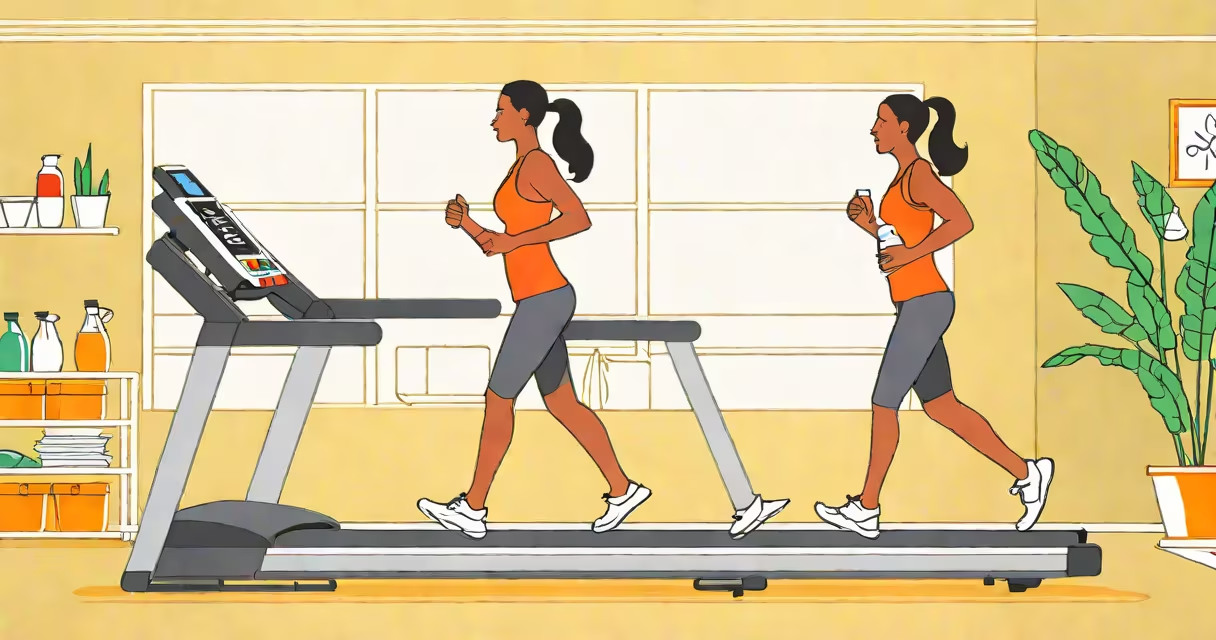
Consistent calorie deficit achieved through balanced nutrition and regular physical activity is the most effective and scientifically supported way to lose weight. This approach reduces body fat while preserving muscle mass and supports long-term health.
Weight loss occurs when energy intake is less than energy expenditure. The body draws on stored fat for fuel, leading to measurable reductions in body mass over time. This principle applies regardless of diet type or exercise modality, though effectiveness varies based on adherence and individual physiology.
According to the National Institute of Diabetes and Digestive and Kidney Diseases (NIDDK), sustainable weight loss requires a daily deficit of 500 to 750 calories, resulting in approximately 1 to 1.5 pounds of fat loss per week. Rapid weight loss beyond this range increases risk of muscle loss, gallstones, and metabolic slowdown.
Every pound of body fat contains about 3,500 calories of stored energy. To lose one pound, you must create a 3,500-calorie deficit. This can be done through reduced food intake, increased activity, or both.
A 500-calorie daily deficit leads to roughly one pound of fat loss per week. For example, cutting 250 calories from meals and burning 250 through walking 30 minutes daily achieves this goal. Over four weeks, this results in 4 pounds of fat loss, assuming consistency.
Tracking intake using apps like MyFitnessPal or logging meals manually helps identify hidden calorie sources-such as sugary drinks or high-fat snacks-that undermine progress. A study published in *The American Journal of Clinical Nutrition* found that individuals who logged their food consumed fewer calories and lost more weight than those who did not track.
Successful weight loss relies on three pillars: nutrition, movement, and behavior. No single strategy works universally, but combining these elements increases success rates.
Nutrition: Focus on whole foods-vegetables, lean proteins, whole grains, and healthy fats. These provide satiety and essential nutrients while naturally reducing calorie density. Diets rich in fiber and protein increase fullness and reduce intake.
Movement: Aim for at least 150 minutes of moderate-intensity aerobic activity weekly, such as brisk walking or cycling. Strength training twice a week preserves muscle mass during fat loss. A 2021 review in *Obesity Reviews* confirmed that resistance training improves body composition more effectively than cardio alone.
Behavior: Sleep, stress management, and routine consistency influence hormone levels like cortisol and ghrelin. Poor sleep disrupts appetite regulation, increasing hunger and cravings. Research from the University of Chicago shows that sleeping less than six hours per night correlates with higher BMI and reduced weight loss success.
Many popular weight loss methods fail due to unsustainable practices or lack of scientific backing. Avoid fad diets promising rapid results without lifestyle change.
Extreme calorie restriction (<800 kcal/day) may lead to initial weight loss but often causes rebound gain, nutrient deficiencies, and slowed metabolism. The National Institutes of Health warns that such regimens are not safe without medical supervision.
Some supplements claim to "boost metabolism" or "melt fat." However, the FDA does not approve weight-loss supplements for safety or efficacy. A 2020 analysis in *JAMA Internal Medicine* found no significant benefit from common ingredients like green tea extract or garcinia cambogia compared to placebo.
Intermittent fasting can support weight loss for some people, but it's not inherently superior to continuous calorie control. A 2023 randomized trial in *The Lancet* showed similar outcomes between time-restricted eating and standard calorie reduction over 12 months.
While all effective weight loss strategies rely on calorie deficit, different methods suit different lifestyles. Here's how they compare:
| Approach | Calorie Control | Exercise Integration | Best For |
|---|---|---|---|
| Whole-foods plant-based | High-fiber, low-energy-density meals | Optional, but recommended | People with insulin resistance or heart disease risk |
| Low-carb (e.g., ketogenic) | Restricts carbs; increases fat/protein | Often combined with strength training | Those who prefer fewer meals and stable blood sugar |
| Time-restricted eating | Confines eating to 8-10 hours daily | Depends on schedule | Individuals with irregular work hours or busy routines |
| Standard calorie deficit | Flexible; focuses on portion size and food quality | Essential for fat loss and health | General population seeking long-term maintenance |
Each method works because it creates a sustained calorie deficit. Success depends on personal preference, sustainability, and adherence-not on the specific label applied.
Sarah, a 38-year-old office worker, weighed 195 pounds and wanted to reach 160 pounds. She began tracking her food using a mobile app and reduced her daily intake by 500 calories through smaller portions and swapping sugary snacks for fruit and nuts.
She added 30-minute walks five days a week and included two weekly strength sessions using bodyweight exercises. After three months, she lost 25 pounds. Her energy levels improved, and she maintained the habit by planning meals weekly and scheduling workouts like appointments.
By month six, she reached 162 pounds. She stabilized her weight by adjusting intake slightly upward to match her new metabolic rate. Her success came not from a miracle food or intense workout, but from consistent, small changes aligned with science.
Some habits are widely believed to aid weight loss but have little impact. For example, drinking cold water or eating spicy foods temporarily boosts metabolism by less than 10 calories per day-insignificant for fat loss.
Detox cleanses, juice fasts, and colon cleanses promise "toxins removal," but the liver and kidneys naturally filter waste. These regimens often cause dehydration and nutrient loss without lasting benefits. The American Council on Science and Health states that no credible evidence supports detox products for weight loss.
Relying solely on exercise without adjusting diet leads to minimal fat loss. A 2019 study in *Medicine & Science in Sports & Exercise* found that participants who exercised but ate unchanged saw only 0.5% body fat reduction over 12 weeks-far below expected results.
I once observed a group of adults in a community wellness program. Half followed a structured diet plan with meal prep and daily step goals. The other half tried intermittent fasting without tracking food or activity. After six months, the first group lost an average of 14 pounds; the second group lost 3 pounds and reported increased irritability and difficulty concentrating.
This reinforced that behavior change, not just rules, drives results. Simple actions-like preparing lunch the night before or taking a 10-minute walk after dinner-compound into meaningful outcomes.
What will help you lose weight is a consistent calorie deficit through nutritious eating and regular movement. There is no magic food, supplement, or quick fix. Sustainable weight loss requires patience, realistic expectations, and ongoing effort.
Focus on habits that last. The most effective weight loss strategy is the one you can maintain for life.