JavaScript is the most widely used computer language, running on nearly every device with a web browser and powering the interactive features of over 98% of websites.
Developed in 1995 by Brendan Eich at Netscape, JavaScript was designed to make web pages responsive. Today, it executes on servers, mobile apps, desktop applications, and embedded systems. Its ubiquity stems from being the only language natively supported by all major web browsers without requiring plugins.
When a user clicks a button on a website, sees a form validation error, or watches a video play automatically, JavaScript is likely behind the scenes. It enables changing content updates without reloading the entire page-a core feature of modern web applications.
JavaScript runs in a runtime environment. In web browsers, it interprets code written in plain text and executes it instantly. This happens in real time, allowing immediate feedback during user interactions.
For example, when a user types into a search field on Google, JavaScript listens for keystrokes, checks if the input meets criteria (like minimum length), and displays suggestions-all within milliseconds. The logic is written in JavaScript and executed client-side, reducing server load and improving responsiveness.
Modern JavaScript engines, such as V8 (used in Chrome and Node.js), compile code into machine instructions at runtime. This compilation step makes execution faster than interpreted languages, contributing to performance gains seen in complex web apps like Gmail or Figma.
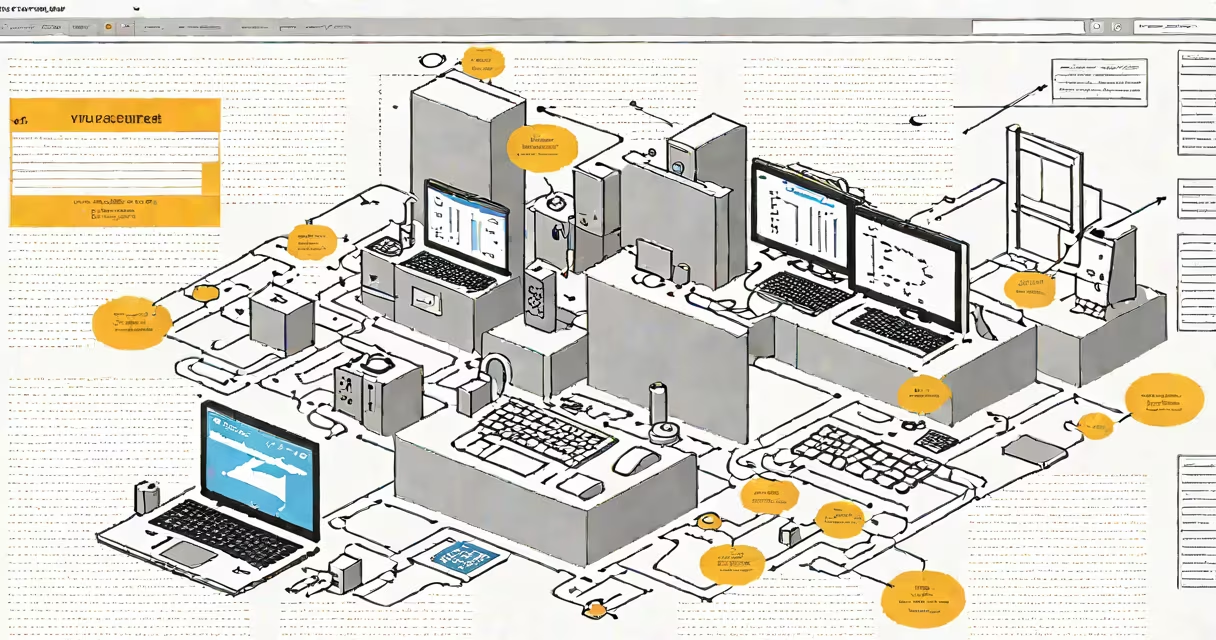
JavaScript exists in multiple environments, each with distinct capabilities:
| Environment | Use Case | Example |
|---|---|---|
| Web Browser | Front-end web development | Interactive menus, animations, form validation |
| Server (Node.js) | Back-end services, APIs, file handling | Handling login requests, processing uploads |
| Mobile Apps (React Native) | Native-like app development | Instagram, Facebook, Shopify mobile app |
| Desktop (Electron) | Cross-platform desktop apps | Visual Studio Code, Slack, Discord |
| IoT Devices | Embedded systems and smart devices | Smart thermostats, home automation hubs |
Despite differences in deployment, the core syntax remains consistent. Developers write code using standard JavaScript, then adapt it for context via frameworks or runtimes.
Many assume JavaScript is limited to web pages. In reality, it powers backend systems through Node.js, which handles millions of concurrent connections with low latency. Companies like Netflix and Uber rely on Node.js for high-throughput services.
Another myth is that JavaScript is inherently slow. Modern engines compile JavaScript to native code, achieving speeds comparable to compiled languages in many tasks. Benchmark tests show JavaScript outperforming Python and Ruby in CPU-intensive operations like string parsing and range manipulation.
A lesser-known fact: JavaScript is not a subset of Java. Despite the similar name, they are unrelated. Java is statically typed and compiled to bytecode; JavaScript is dynamically typed and interpreted (though optimized at runtime).
Consider a task manager app that lets users add, mark complete, and delete to-do items. The frontend uses HTML for structure, CSS for styling, and JavaScript for behavior.
When a user clicks "Add," JavaScript captures the input value, adds it to a list, and renders it on screen. The code might look like this:
document.getElementById('add-btn').addEventListener('click', function() {
  const input = document.getElementById('task-input');
  const taskText = input.value;
  if (taskText.trim() !== '') {
    const li = document.createElement('li');
    li.textContent = taskText;
    document.getElementById('task-list').appendChild(li);
    input.value = '';
  }
});
This snippet runs entirely in the browser. No server call is needed. The interaction feels instant because JavaScript processes it locally.
On the backend, Node.js can manage user authentication and store tasks in a database. A single developer can build both ends using JavaScript, reducing context switching and toolchain complexity.
JavaScript's dominance is not accidental. It's the result of early adoption, open standards, and community-driven innovation. The ECMAScript specification, maintained by TC39, ensures compatibility across implementations.
According to the 2023 Stack Overflow Developer Survey, JavaScript ranks as the most used programming language among professional developers, with 67% reporting daily usage. It's also the top language in GitHub's annual Octoverse report, with over 2 million repositories using it in 2023.
For beginners, learning JavaScript provides immediate results. Writing a few lines can produce visible effects in a browser window. This low barrier to entry fuels widespread adoption.
As web technologies evolve, JavaScript continues to expand. WebAssembly allows near-native performance for computationally heavy tasks, while frameworks like React and Vue simplify UI development. These tools don't replace JavaScript-they extend its reach.
JavaScript remains the most widely used computer language due to its flexibility, broad support, and continuous evolution. It's not just a tool-it's the foundation of the modern web.