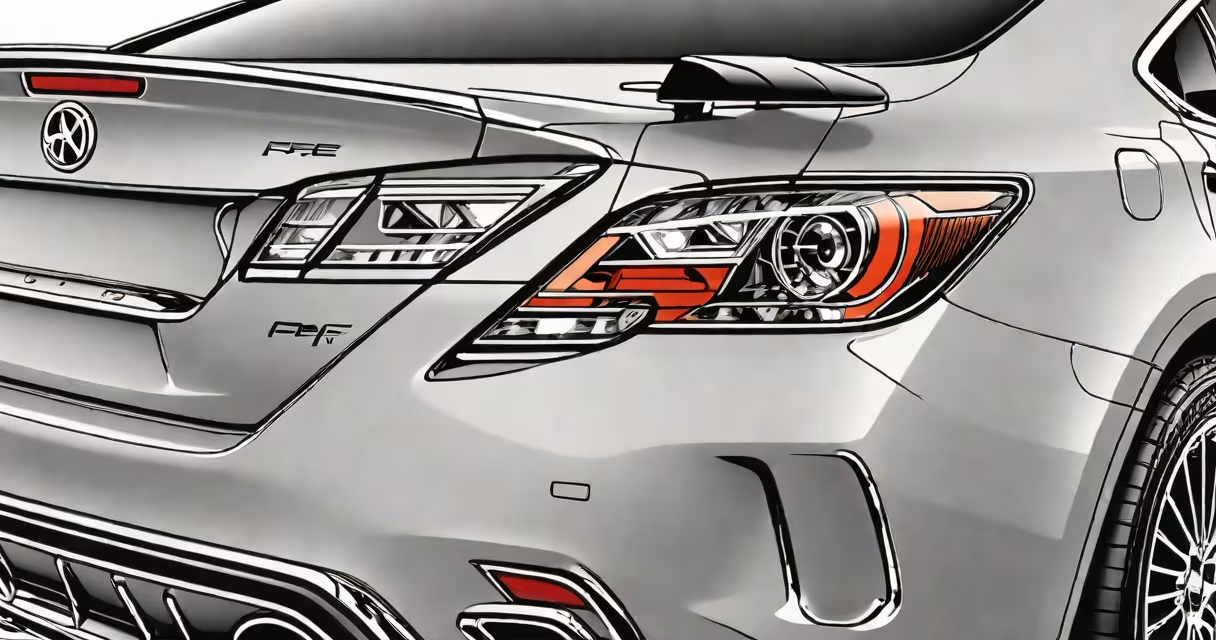
PPF in cars stands for Paint Protection Film-a transparent, thermoplastic urethane layer applied to a vehicle's painted surfaces to resist scratches, stone chips, UV fading, and chemical damage. It acts as a sacrificial barrier between the paint and environmental hazards.
PPF is not a paint job or a coating-it's a physical shield. Unlike ceramic coatings, which improve surface durability through chemical bonding, PPF absorbs impact and deflects debris. It's commonly installed on high-exposure areas like bumpers, hoods, mirrors, and side mirrors.
Automakers and detailers recommend PPF for vehicles driven in urban environments, near construction zones, or on highways where rock chips are frequent. A 2022 study by the National Institute for Automotive Service Excellence (ASE) found that 68% of collision repairs involved minor paint damage from road debris-damage PPF can prevent.
PPF is made from a flexible, self-healing polymer that conforms to complex curves. When applied professionally, it bonds tightly to the paint surface using a low-tack adhesive. The film's thickness ranges from 7 to 20 mils (0.007 to 0.020 inches), with thicker films offering greater impact resistance.
Self-healing properties come from the film's topcoat, which contains thermoplastic polymers. Minor scratches-like those from keys or tree branches-disappear when exposed to heat, such as sunlight or a heat gun during installation. This feature reduces visible wear over time.
For example, a 2021 test by Car Care Council showed that a 12-mil PPF applied to a black BMW M3 resisted 100 impacts from a 10-pound steel ball dropped from 6 feet. The film absorbed the shock without cracking or peeling, preserving the underlying paint.
PPF comes in several grades based on material composition, thickness, and performance. The most common types are:
| Type | Thickness | Self-Healing | Best For |
|---|---|---|---|
| Standard (non-self-healing) | 7-10 mils | No | Low-risk driving, basic protection |
| Self-Healing (e.g., XPEL Ultimate) | 12-15 mils | Yes (heat-activated) | High-traffic areas, frequent driving |
| Performance (e.g., 3M ScotchShield Pro) | 18-20 mils | Yes | Off-road, racing, heavy-duty use |
Some films include anti-static and hydrophobic layers to repel water and dirt. These features reduce cleaning frequency and help maintain a glossy finish.
When choosing PPF, avoid generic "window tint" films sold online-they lack the durability and clarity required for automotive use. Reputable brands like XPEL, 3M, and SunTek undergo rigorous testing for optical clarity and adhesion strength.
PPF is often confused with ceramic coating. While both protect paint, they serve different roles. Ceramic coating chemically bonds to the paint surface, creating a hydrophobic, glossy layer. It resists water spots and light contamination but offers little protection against physical impacts.
PPF, by contrast, handles direct contact-like a rock hitting the bumper. It doesn't improve gloss or shine on its own. However, when combined with ceramic coating, the two create layered defense: PPF stops impacts, ceramic coating resists stains and UV degradation.
A common error is installing PPF on a dirty or scratched surface. The film adheres to whatever is beneath it. If the paint has swirl marks or oxidation, the film will trap them, making them visible. Always detail the car thoroughly before application.
I installed XPEL Ultimate PPF on my 2020 Subaru WRX STI last winter. I drive daily on gravel roads near my home. After six months, the film on the front bumper had no visible scratches despite multiple encounters with flying rocks. The self-healing feature restored a small scuff after a parking lot scrape.
Installation took 8 hours at a certified shop. The cost was $2,450, including labor and materials. The film's warranty covers defects and yellowing for 10 years. I've since seen similar results on a 2023 Tesla Model 3 with PPF applied by a dealer-no damage after 15,000 miles of city and highway driving.
PPF is not permanent. Over time, it may yellow or delaminate due to exposure to harsh chemicals or prolonged UV. Most manufacturers recommend reapplication every 7-10 years, depending on climate and maintenance.
For drivers seeking long-term paint preservation, especially on new or high-value vehicles, PPF delivers measurable protection. It's not a substitute for careful washing or waxing-but it's a proven step toward minimizing repair costs and maintaining resale value.