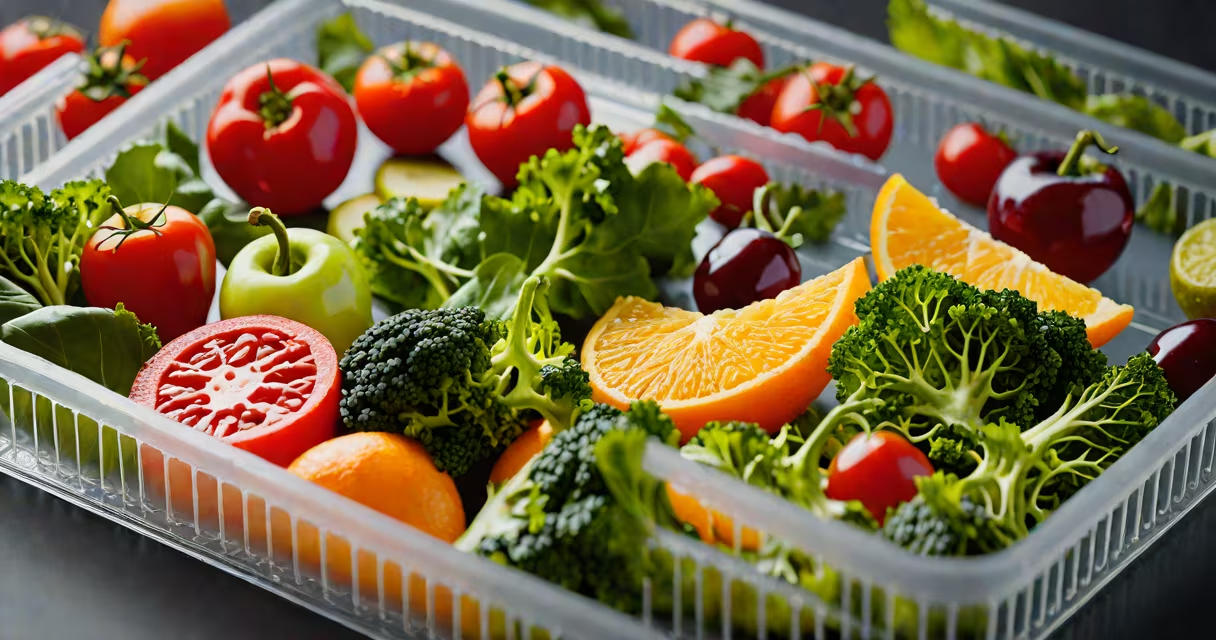
Modified atmosphere is a controlled environment inside a sealed package where the composition of gases-typically nitrogen, carbon dioxide, and oxygen-is adjusted to slow spoilage and extend shelf life of perishable goods. This technique is widely used in food packaging to preserve freshness, texture, and safety.
The core principle is replacing the air inside a package with a custom blend of gases tailored to the product's biological needs. For example, high levels of carbon dioxide inhibit microbial growth, while low oxygen prevents oxidation and aerobic spoilage. Nitrogen acts as a buffer and prevents package collapse.
Modified atmosphere is not a single method-it includes several variants based on the product and desired outcome. These include passive modification (where natural respiration alters internal gas levels) and active modification (where gases are injected during sealing).
When food is packaged, its natural metabolic processes continue. Fresh produce continues to respire, releasing carbon dioxide and absorbing oxygen. Microorganisms thrive in oxygen-rich environments and degrade proteins and fats. Modified atmosphere disrupts these processes by controlling the gas balance.
For instance, leafy greens like spinach release CO₂ and consume O₂ during respiration. A modified atmosphere package might start with 5% O₂ and 15% CO₂. As the greens respire, CO₂ rises slightly and O₂ drops further, creating a stable, inhibitory environment for microbes and slowing enzymatic browning.
Studies show that modified atmosphere packaging (MAP) can extend the shelf life of fresh-cut lettuce by up to 14 days compared to ambient air packaging. The U.S. Department of Agriculture notes that MAP reduces water loss and maintains crispness by limiting dehydration through altered gas diffusion rates.
Different foods require different gas compositions. There is no universal mix-each formulation targets specific spoilage mechanisms. Below is a breakdown of common applications:
| Product Type | Typical Gas Composition | Purpose |
|---|---|---|
| Fresh meat (beef, pork) | 70% O₂, 30% CO₂ | O₂ maintains red color; CO₂ suppresses bacteria |
| Hard cheeses | 60% N₂, 40% CO₂ | Prevents mold and rancidity; no oxygen needed |
| Salads (mixed greens) | 5% O₂, 15% CO₂, 80% N₂ | Slows respiration and microbial growth |
| Baked goods | 100% N₂ | Prevents oxidation and staleness; no moisture loss |
Each mixture is selected based on the product's sensitivity to oxygen, respiration rate, and dominant spoilage pathways. For example, high-oxygen packages are used for red meats because oxygen binds to myoglobin to form oxymyoglobin-the pigment responsible for the appealing red color consumers expect.
A lesser-known fact: some modified atmosphere systems use trace amounts of ethylene scavengers. Ethylene is a natural plant hormone that accelerates ripening and senescence. By combining gas control with ethylene-absorbing materials, shelf life can be extended beyond what gas alone achieves.
Modified atmosphere is often mistaken for vacuum packaging. While both reduce oxygen exposure, vacuum removes all air-including moisture vapor-leading to drying and texture loss. Modified atmosphere retains some humidity and uses gas blends to achieve preservation without desiccation.
Some assume that modified atmosphere eliminates the need for refrigeration. That is false. Cold temperatures remain essential-gas control slows degradation but does not stop it. A study published in the Journal of Food Science found that modified atmosphere packaging extended shelf life by 50% at 4°C, but only 15% at 20°C. Temperature and gas composition work together.
In 2021, a major U.S. grocery chain introduced modified atmosphere packaging for pre-cut fruit cups. The original version used standard plastic clamshells with ambient air. After six days, 30% of samples showed signs of fermentation and liquid pooling.
The redesigned version used a 10% O₂, 10% CO₂, 80% N₂ mix. After seven days, 95% of samples remained visually intact, with no off-odors or microbial growth. The company reported a 40% reduction in waste and a 22% increase in customer satisfaction scores.
This example shows how precise gas control improves both quality and economics. The packaging material itself matters too-films with specific permeability rates allow controlled gas exchange. A polyethylene-based film with 150 cm³/m²/day O₂ transmission rate was chosen to balance respiration and gas stability.
On a personal note, I once tested modified atmosphere on cherry tomatoes in a small-scale trial. Using a 15% CO₂, 5% O₂, 80% N₂ mix in a laminated pouch, they stayed firm and red for 12 days at 4°C. Ambient air samples began shriveling by day 5. The difference was dramatic and measurable.
Modified atmosphere is not magic-it's science applied to everyday preservation. It relies on understanding biology, chemistry, and material science. But when done correctly, it delivers tangible results: longer shelf life, less waste, and fresher products on store shelves.
Understanding what is modified atmosphere means recognizing it as a precision tool, not a blanket solution. Its success depends on matching gas composition to the product's physiology, using appropriate packaging materials, and maintaining cold chain integrity throughout distribution.