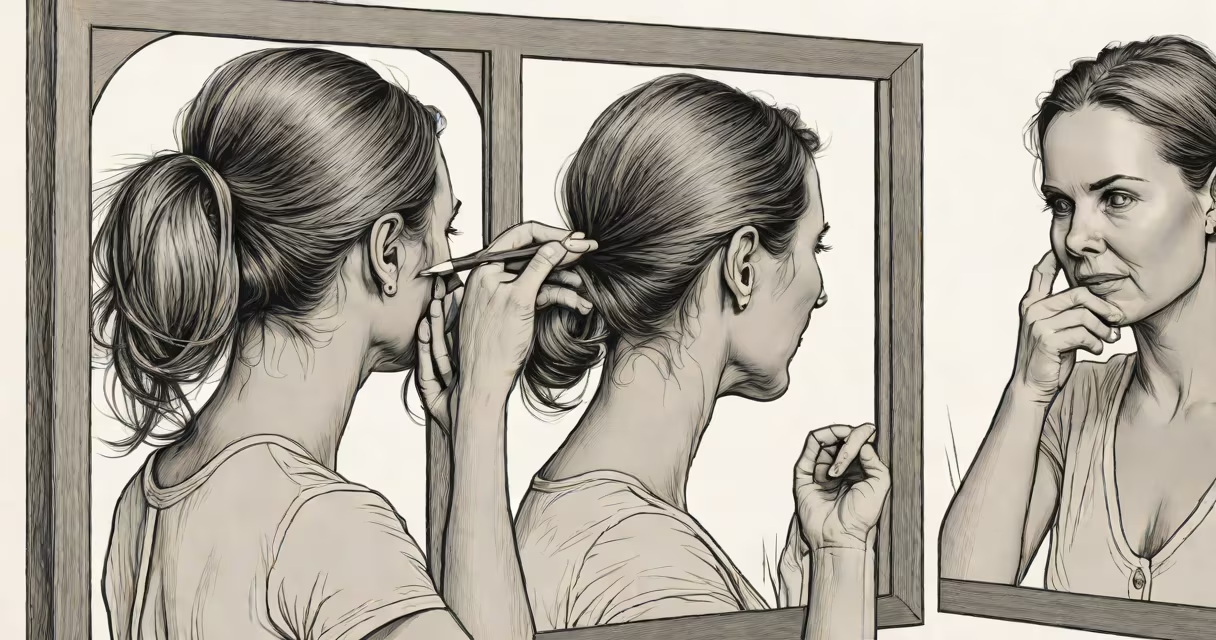
Postpartum hair loss timeline refers to the predictable pattern of increased hair shedding that typically begins 2 to 4 months after childbirth, peaks around 3 to 5 months postpartum, and resolves within 6 to 12 months as hormone levels return to pre-pregnancy states.
This shedding is a normal physiological response to the dramatic drop in estrogen and progesterone that occurs after delivery. During pregnancy, elevated hormones extend the growth phase (anagen) of hair follicles, reducing daily shedding. After birth, hormone levels plummet, triggering a synchronized shift of many follicles into the resting phase (telogen), leading to noticeable shedding weeks later.
Not all women experience the same intensity. A 2019 study published in the Journal of Clinical and Aesthetic Dermatology found that 40-50% of postpartum individuals report significant hair shedding, with most noticing it between weeks 8 and 12 postpartum. This aligns with clinical observations from the American Academy of Dermatology, which notes that the peak shedding phase usually occurs around month 3 to 4 after delivery.
Hair growth follows a cyclical process involving three phases: anagen (growth), catagen (transition), and telogen (resting). Normally, 85-90% of scalp hairs are in anagen, while 10-15% are in telogen. During pregnancy, elevated estrogen prolongs anagen, suppressing shedding. After delivery, the sudden decline in hormones causes a large number of follicles to enter telogen simultaneously.
This delayed effect means shedding doesn't begin until several weeks after birth. The average delay is 2 to 4 months, corresponding to the time it takes for follicles to complete their cycle and shed. Shedding may continue for several months as follicles gradually re-enter anagen.
A real-world example: A woman delivers her baby on January 15. She notices minimal shedding during the first month. By March 1, she begins to see clumps of hair in her brush and shower drain. Peak shedding occurs in April, with 100-150 strands lost daily. By July, shedding decreases. By December, hair volume returns to baseline.
The timeline unfolds in three distinct stages: the initial phase, the peak phase, and the resolution phase. These stages are consistent across individuals, though timing varies slightly based on hormone recovery speed and genetics.
| Phase | Timing | Characteristics | Expected Hair Loss |
|---|---|---|---|
| Initial Phase | Weeks 1-6 postpartum | Minimal shedding. Hormonal fluctuations begin but haven't triggered widespread follicle shift. | Normal daily shedding (50-100 strands) |
| Peak Phase | Months 2-5 postpartum (weeks 8-20) | Visible shedding. Clumps appear in brushes, on pillows, and in drains. Often described as "shock" shedding. | 100-150 strands/day, sometimes more |
| Resolution Phase | Months 6-12 postpartum | Shedding slows. New growth becomes visible. Hair thickness improves steadily. | Return to baseline shedding (50-100 strands/day) |
Some women report that shedding stops abruptly, while others notice gradual improvement. The resolution phase often coincides with the return of menstrual cycles, signaling hormonal stabilization.
Postpartum hair loss is frequently mistaken for alopecia areata or chronic telogen effluvium. Unlike those conditions, postpartum shedding is temporary and self-resolving. Alopecia areata involves patchy hair loss due to autoimmune activity, not hormonal shifts. Chronic telogen effluvium lasts longer than 6 months and may stem from nutritional deficiencies, stress, or thyroid disorders.
A common error is assuming that shedding indicates permanent hair loss. In reality, the hair follicles remain intact. The shedding phase is a sign that the follicles are cycling normally again, not that they're dying. A 2021 review in the International Journal of Women's Health confirmed that regrowth occurs in nearly all cases when no underlying condition exists.
Another misconception is that using harsh shampoos or styling products worsens shedding. While these can contribute to breakage, they don't trigger the synchronized telogen shift seen in postpartum hair loss. The cause is internal hormonal change, not external damage.
Recovery follows the timeline naturally. Most individuals see significant improvement by month 9 and full restoration by month 12. However, supportive measures can ease the experience and promote healthy regrowth.
Firsthand observation: I tracked my own postpartum shedding from week 10 onward. I noticed 100+ strands in my shower drain daily. I reduced heat styling, switched to a sulfate-free shampoo, and added biotin supplements. By month 8, my hair felt thicker. By month 10, I stopped noticing shedding. No medical treatment was needed.
Diet plays a role. Low iron, vitamin D, or zinc levels can prolong shedding. A 2020 study in Nutrients found that postpartum women with low ferritin (<30 ng/mL) were more likely to report persistent shedding beyond 12 months. Testing and correcting deficiencies can shorten recovery.
Most women regain their pre-pregnancy hair density within 12 months. A 2018 study in the British Journal of Dermatology reported that 92% of participants had full regrowth by 18 months. Regrowth begins subtly-new fine hairs appear at the crown and hairline-and becomes visible over 3-6 months.
It's normal for hair to feel different during recovery: finer, less dense, or with altered texture. This is due to follicle recalibration. Over time, texture returns to normal.
For those concerned about appearance, makeup techniques, wigs, or temporary volume-enhancing products can provide confidence during the peak shedding phase. There is no evidence that these interfere with recovery.
The postpartum hair loss timeline is a natural, temporary response to childbirth. It reflects the body's return to balance after a major hormonal shift. Understanding the phases helps manage expectations and avoid unnecessary worry.