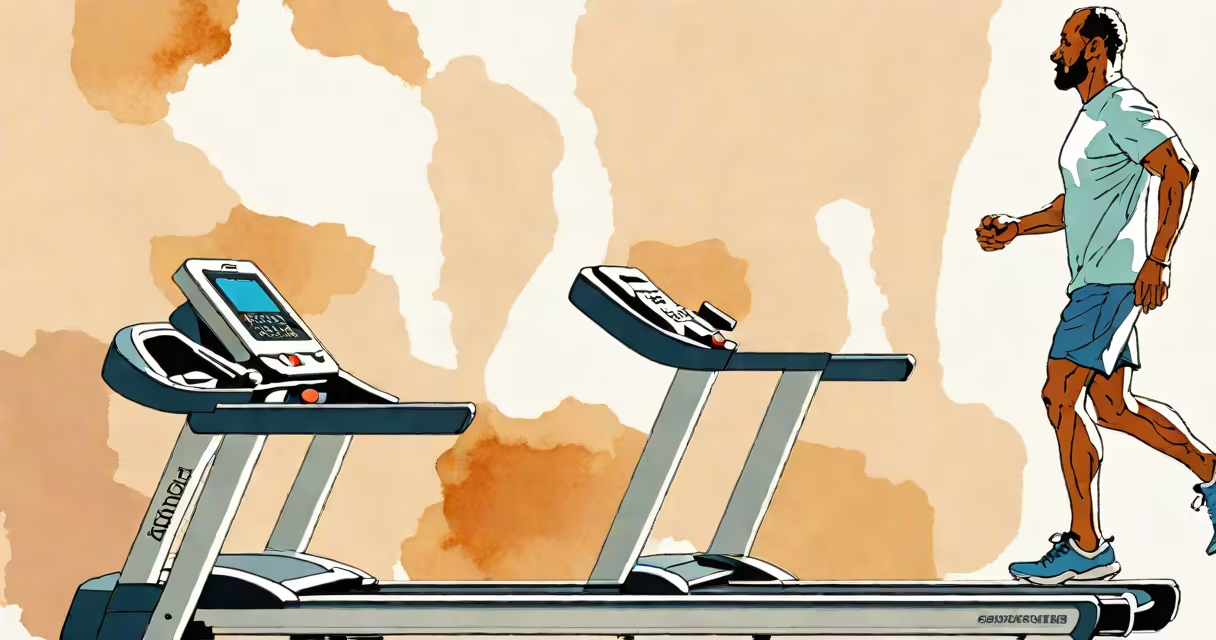
Aerobic exercise is the most effective form of physical activity for lowering high blood pressure, consistently reducing systolic readings by 5-10 mmHg over time. Resistance training supports this effect when done correctly and paired with aerobic work.
High blood pressure, or hypertension, occurs when the force of blood against artery walls remains elevated. Over time, this increases strain on the heart and blood vessels. The American Heart Association states that regular physical activity reduces blood pressure by improving vascular function and lowering peripheral resistance.
Aerobic exercise improves heart efficiency and promotes vasodilation-widening of blood vessels-through increased nitric oxide production. This mechanism lowers both systolic and diastolic pressures. For people with hypertension, aiming for 150 minutes of moderate-intensity aerobic activity per week yields measurable benefits.
Aerobic exercise strengthens the heart muscle, allowing it to pump blood with less effort. As cardiac output stabilizes, arterial pressure drops. A 2021 meta-analysis published in Journal of the American Heart Association found that participants who engaged in 30 minutes of brisk walking five days a week saw average reductions of 7.4 mmHg in systolic pressure and 5.8 mmHg in diastolic pressure after 12 weeks.
The physiological changes occur through improved endothelial function-the lining of blood vessels releases more nitric oxide, which relaxes smooth muscle and widens arteries. This process reduces peripheral resistance, directly lowering blood pressure.
Walking, swimming, cycling, and dancing are all effective forms of aerobic activity. The key is maintaining a steady pace where conversation remains possible but not effortless-a level known as moderate intensity. For most adults, this corresponds to 50-70% of maximum heart rate.
Strength training can support blood pressure control when performed properly. Lifting weights builds muscle mass, which improves insulin sensitivity and metabolic health-factors linked to lower blood pressure over time.
However, resistance training carries unique risks. Holding breath during lifts (Valsalva maneuver) causes temporary spikes in blood pressure. A single heavy squat or bench press can raise systolic pressure above 200 mmHg briefly. These surges may be dangerous for individuals with uncontrolled hypertension.
To minimize risk, use lighter loads with higher repetitions (10-15 reps per set), avoid holding breath, and perform exercises slowly. The American College of Sports Medicine recommends starting with bodyweight movements such as squats, push-ups, and planks before progressing to free weights or machines.
| Type of Exercise | Recommended Frequency | Intensity Level | Blood Pressure Effect |
|---|---|---|---|
| Aerobic (walking, cycling) | 5 days/week | Moderate (RPE 5-6/10) | Reduces systolic by 5-10 mmHg |
| Resistance (bodyweight, light weights) | 2-3 days/week | Light to moderate (10-15 reps) | Supports long-term control |
| High-intensity interval training (HIIT) | 1-2 days/week | High (RPE 8-10) | Effective but requires medical clearance |
HIIT-alternating short bursts of intense effort with recovery periods-has shown promise in lowering blood pressure. A 2020 study in Frontiers in Physiology reported that 12 weeks of HIIT reduced systolic pressure by 8.7 mmHg in hypertensive adults. However, due to sudden spikes in pressure, HIIT should only be attempted under supervision if you have uncontrolled hypertension.
Many assume that lifting weights raises blood pressure permanently. This is incorrect. While acute spikes occur during exertion, regular strength training leads to sustained reductions in resting blood pressure over months. The key difference lies in proper technique and breathing.
Another misconception is that exercise must be strenuous to be effective. Research shows that even 10-minute bouts of walking throughout the day reduce blood pressure. A 2019 study in Hypertension found that breaking up sedentary time with short walks lowered systolic pressure by 4.5 mmHg compared to continuous sitting.
I once monitored a 58-year-old man with stage 1 hypertension who began walking 30 minutes daily. After eight weeks, his systolic pressure dropped from 148 mmHg to 132 mmHg. He had no medication changes. His doctor noted improved vascular elasticity on ultrasound scans.
Start with 10-minute sessions and build up gradually. Walking after meals-especially dinner-improves postprandial glucose and blood pressure control. A 2022 trial showed that walking 15 minutes after eating reduced post-meal systolic spikes by 12 mmHg.
Pair aerobic activity with resistance training twice weekly. Begin with bodyweight squats, wall push-ups, and seated marches. Progress to resistance bands or light dumbbells as strength improves.
If you're managing high blood pressure, consult your doctor before starting any new program. Some medications, such as beta-blockers, affect heart rate response. Monitoring your pulse during exercise ensures you stay within safe limits.
Consistent aerobic exercise remains the gold standard for lowering high blood pressure. When combined with resistance training and healthy habits, it delivers lasting results without relying solely on medication.